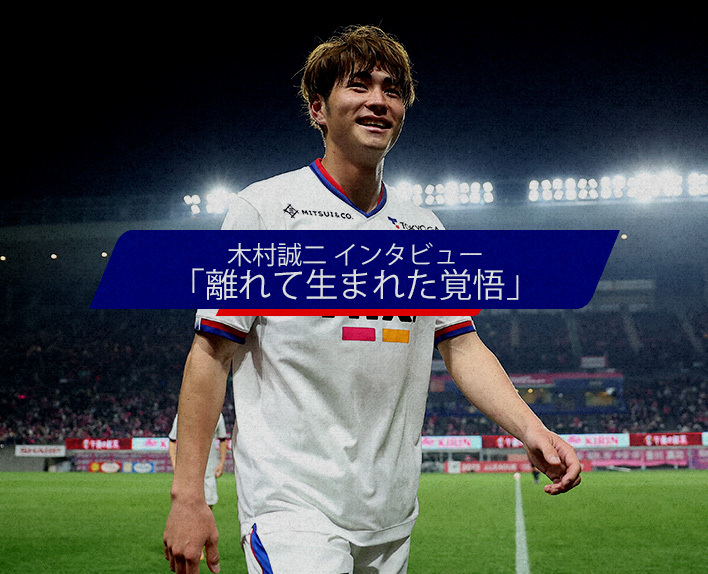


Q: In 2018, you made your official debut in a match against Azul Claro Numazu in the opening game of J3 while belonging to FC Tokyo U-18. How did you feel at that time?
I appeared in J3 before participating in the Premier League for A and U-18. I remember feeling nervous as I hadn't played many official matches yet.
Q: What were your thoughts while competing primarily in J3 while belonging to the U-18 team?
Because the level is higher than U-18, I believed that continuing to compete in J3 would lead to improving my own level.
Q: Please tell us about the aspects where you gained confidence in the J3 matches that you felt had a high level, as well as the challenges you felt at the same time.
A, what I gained confidence in was my defensive ability in one-on-one situations. I also did not lose in aerial duels, which boosted my confidence. My challenges are the speed of my movements and decision-making speed. The professional players I played alongside made decisions faster than I did, and my thinking was slow and shallow, so I felt a significant gap. My communication for anticipating plays and passing off marking duties to teammates is still lacking.
Q: In the club's survey, you answered that you started aiming to become a professional soccer player from the time you played in J3. What goals did you set for yourself during high school? What efforts did you make to achieve those goals?
A, I was only thinking about being promoted to the top team. I felt the need for body weight, agility, and strength. Considering that it is a position where you must not be overwhelmed in physical confrontations, I valued building my body and consciously worked on strength training.
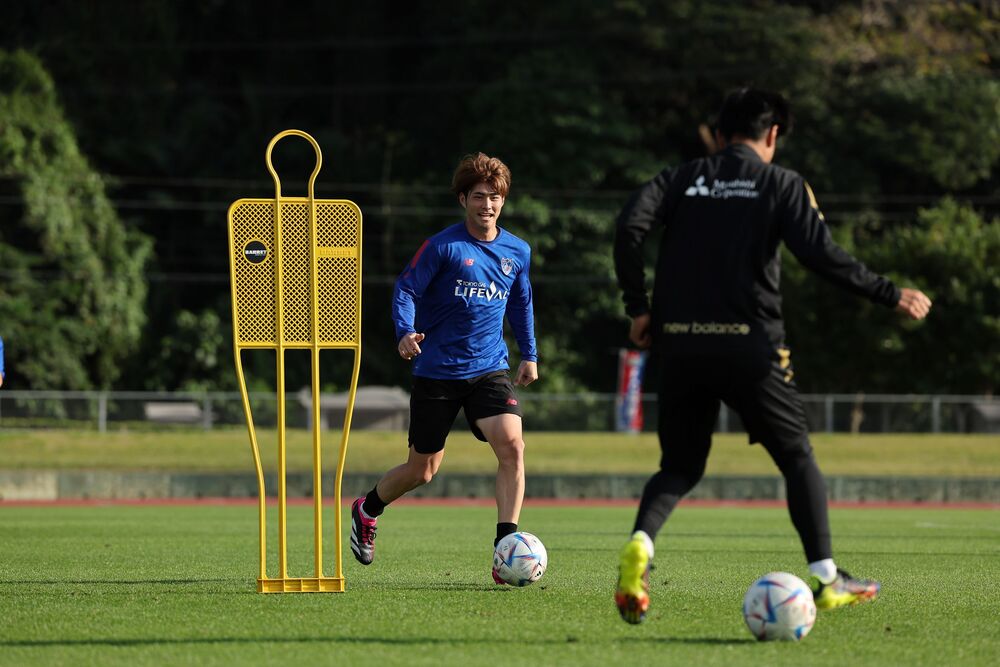
Q, You were promoted to the top team in the 2020 season. While not getting playing opportunities, you were loaned to Kyoto SANGA F.C., SC Sagamihara, and Montedio Yamagata. How did you feel when you left FC Tokyo, where you had grown since U-15?
<div>A, I didn't have the feeling that it was a one-way trip; I felt like I was going on a training journey. I was thinking with the assumption that I would come back. I don't think I initially had the mindset of "I'll succeed and come back." Looking back now, I might not have been fully prepared. I also didn't have the determination to keep playing matches in Kyoto and receive offers. I think I was only focused on playing matches, not for the team. I feel that is the reason I couldn't play in matches in Kyoto.
Q: What did you learn at your new club?
A. The importance of not letting your emotions or physical condition fluctuate. There are many factors that can affect your mental state, such as changes in the environment, playing with various players, and times when you can or cannot participate in matches. I realized that how much you can do what you need to do is what matters.
Q: I believe that leaving Tokyo has led to many new encounters.
A, Yamagata especially felt a strong connection with the local community. The distance between fans and supporters is close, and since there are not many large commercial facilities, I could feel the support through interactions on the streets. I have transferred to three teams, but people's ways of thinking differ, and the style of football varies depending on the coach. Even if I had my own football style until now, I experienced the difficulty of needing to adapt.
Q: Before transferring, did the experience with three different teams change your feelings, which you initially thought was a one-way journey?
The period away from Tokyo also became longer, and I felt that I was naturally focusing on the team I belonged to and immersing myself in its culture, rather than doing so consciously.
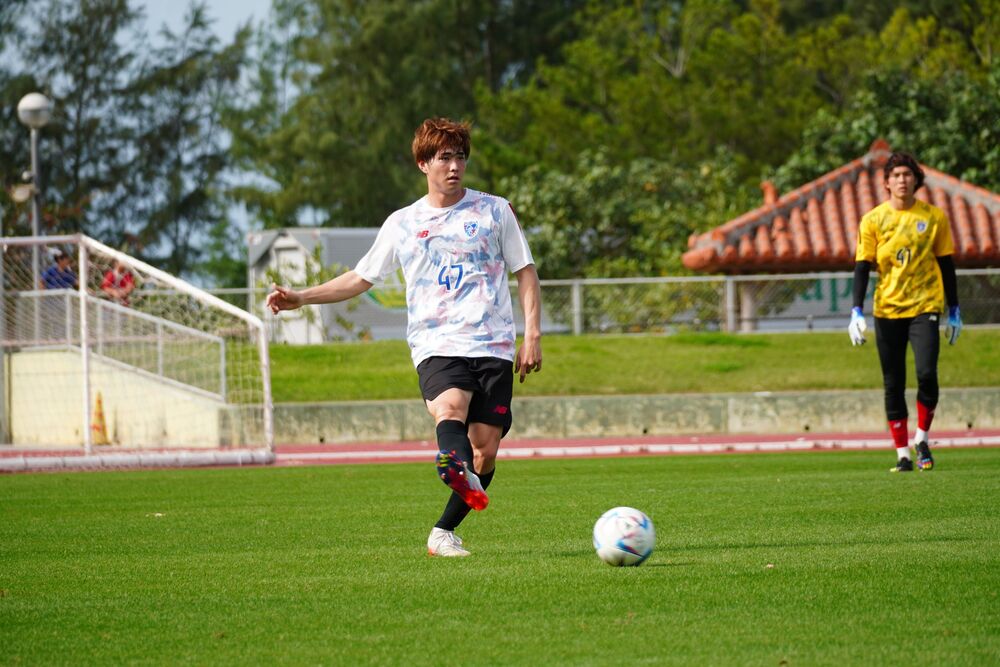
Q: Please tell us how you felt when it was decided that you would return to Tokyo during the 2022 season.
A, due to Henrique's injury and other accidents, I suddenly had to return to Tokyo, so I felt this was the right timing. Even during the period when I couldn't participate in matches, I stayed highly motivated and focused on training, thinking about competing in Yamagata throughout the year. However, from the moment I decided to return after considering the benefits of staying in Yamagata or going back to Tokyo, I switched my mindset to being involved in matches and aiming for victories in Tokyo. Of course, this was thanks to my own efforts and performance, but I also thought it was an advantage for me that Coach Albert PUIG ORTONEDA gives opportunities to young players like Kashif BANGNAGANDE and first-year player Kuryu MATSUKI, and that he is a coach who rotates players depending on the match.
Q: How was the atmosphere of the team after joining in Tokyo? Was there a difference in the team before the transfer and when you returned?
A, the atmosphere had not changed. It was calm and friendly, yet firm where it needed to be, and if there was any light play, the players would talk to each other about it. I felt reassured that this is J1.
Q: Please tell us about the players you particularly interacted with after joining.
A, Yoshifumi Kashiwa has been close with his peers since they joined together. Although Nakamura and Konno are four years older, they were in the same class when they joined the team, so they got along well. Many players have changed since I transferred, and they made sure I could fit in well with the team. I especially appreciate Higashi for always encouraging me during practice.
Q: What kind of魅力 does player Yoshifumi have?
Player A, Yoshifu, absolutely never complains. Anyone would want to complain when they feel bad, but nothing comes from him. Being with him feels good, and there is never any unpleasant feeling. That is the character of Yoshifu, his kindness, and I really like that about him.
Q: Kafumi KIMURA and Taishi Brandon NOZAWA are同期 who were promoted from the academy to the top team. What do they mean to you?
I have known player A, Yoshifu, since the first year of junior high school, so it feels like we are childhood friends. Player Nozawa has been with us since U-18, but the three of us have spent a lot of time together. During the COVID-19 pandemic in 2020, when we couldn't go outside, we watched movies together. Although we don't frequently contact each other on a daily basis, being together feels reassuring because we are truly close friends.
Q: When asked about players who became friendly at the time of joining, Hotaka NAKAMURA's name came up. In the player profile on the homepage, he also mentioned NAKAMURA when asked, "If you could choose a teammate to be your brother, who would it be?" Is NAKAMURA, who is four years older than Kimura, a reliable presence that you would want as a brother?
Since we joined the team at the same time, it's easy to talk to him, and even during the off-season, he takes me out to eat, so we spend a lot of time together. When I returned to Tokyo, he treated me just as kindly as before I transferred. Nakamura himself, being older, says he feels like a "younger brother" and treats me affectionately, like a reliable and close older brother.
Q: On the player profile page of the homepage, you mentioned Masato MORISHIGE as the player who influenced you and the player you were most shocked by in past matches. What does Masato MORISHIGE mean to you?
A, when I joined U-15 Fukagawa and went to watch a match with all my teammates for the first time, player Morishige was on the field. The center-back position is not known for flashy or showy plays, but he demonstrated his skill with subtle plays. In terms of defense, I saw plays that were undeniably strong and unyielding, and I thought, 'Is there really such a skilled center-back?' For nearly 10 years since I first saw him, he has consistently been a starter, and he is an idol-like presence that makes me think, 'This person is amazing.'
Q: What kind of influence did Morishige have on Kimura?
I used to think that a center back just needed to be strong, able to clear the ball, and defend well, but after watching Morishige, I learned that skill is necessary. Even if you don't play the same position, I believe everyone can understand how amazing Morishige is, and there is no better center back than him. Beyond his play, I try to arrive at the clubhouse early, but Morishige comes to the field even earlier every day, doing care and stretching to prepare for practice. After practice, he does more than enough strength training and care. While age might be a factor, I think his entire lifestyle, from before practice to after, is dedicated to football.
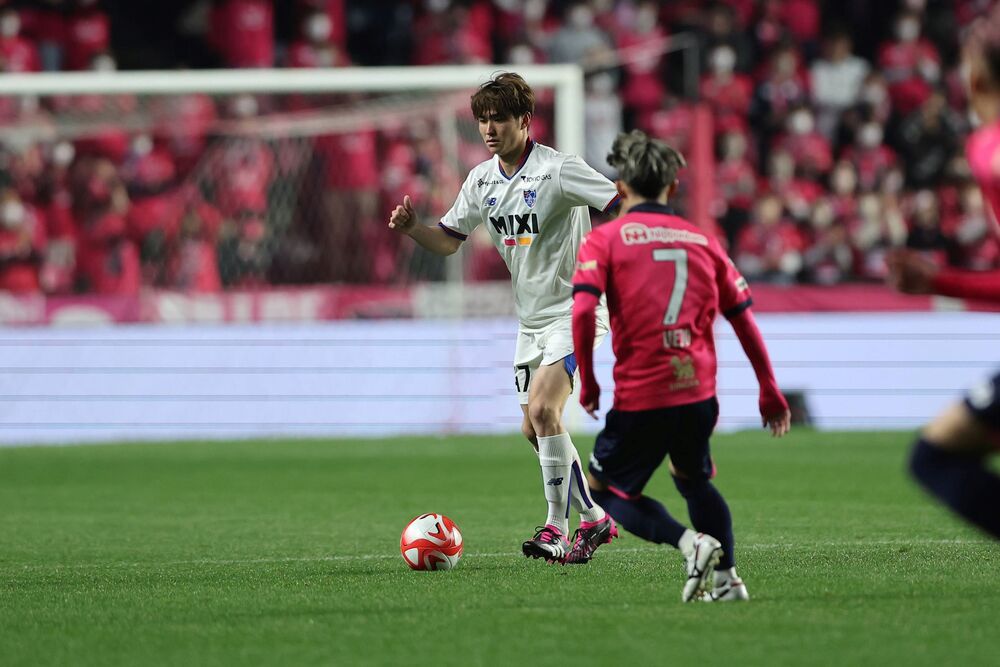
Q: Please tell us the team's goals for the 2023 season and your personal goals.
A, the team is aiming to win the J1 League championship together. Personally, since my playing time was short last season, I want to increase the number of matches where I start as a regular player.
Q: Please tell us about your strengths and points you would like to highlight.
A, I think it's physical ability. I inherited a strong body from my parents, so I want to make the most of it myself. I rarely lose in height, speed, or power, so I want to use those as my strengths.
Q: Please say a word to the fans and supporters ahead of the Levain Cup match against SANGA S.
A, I have not yet been involved in any matches since the season started. I want to deliver results in the Levain Cup, show good play, and let the fans and supporters see me winning. Also, I will do my best to be involved in the league matches myself, so please support me.