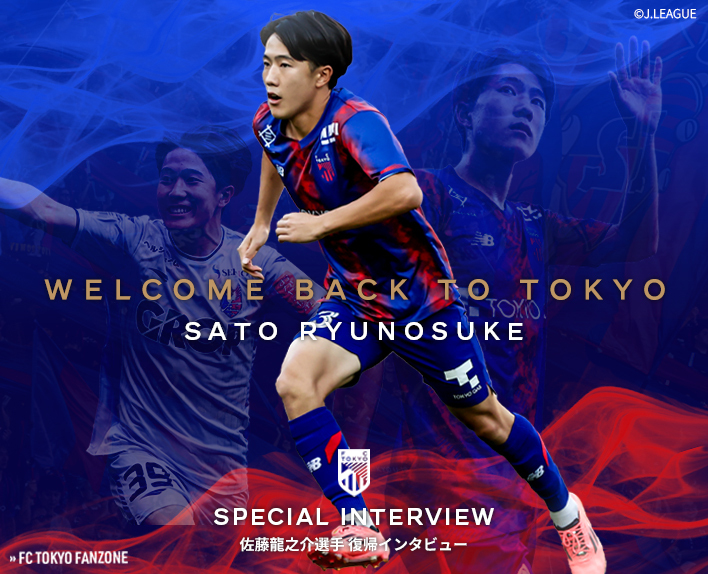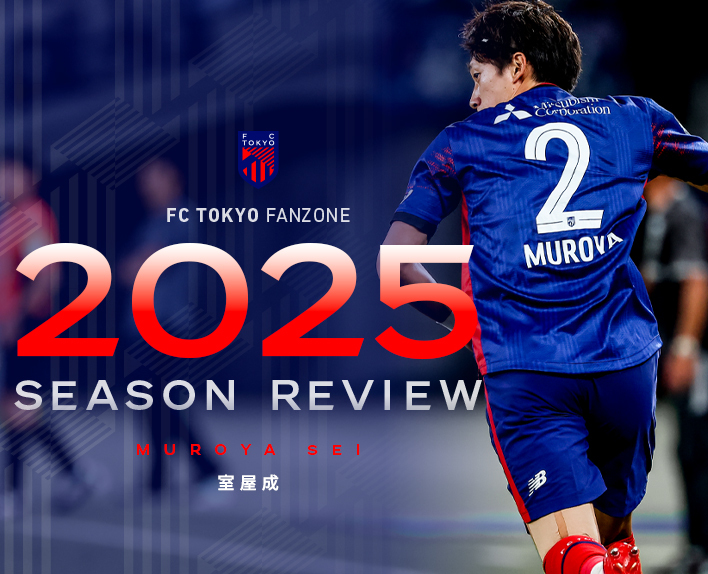


A V-shaped recovery from the relegation zone. In the second half of the season, Sei MUROYA, who returned from Germany, played in 20 official matches with a record of 10 wins, 5 draws, and 5 losses. It is a shared understanding among the Aoaka family that the team's atmosphere and fighting spirit clearly changed, and that this directly led to the results. What exactly was he thinking, and what kind of efforts did he make? And what does he believe is necessary for Tokyo to truly become stronger――.
To become a winning team
──It was announced in late May that he would return to Tokyo, and from the Sec. 20 match of the 2025 Meiji Yasuda J1 League against Cerezo Osaka on June 14, he once again took the pitch wearing the blue and red.
When I returned, the team was in a position fighting to avoid relegation, so my strong feeling was that we had to keep this team in the J1 League first and foremost. I saw that as a major mission for myself and wanted to firmly push the team upward. After the transfer was decided, there was a long period before player registration was completed, allowing ample practice time, which helped me get my condition in good shape. What I felt then was, "Even though there are so many high-quality players, why is this team struggling to avoid relegation?" There are many technically skilled players, but few show emotions during matches, give instructions, or aggressively press the ball. I consciously tried to bring intensity to the forefront, deliberately making big gestures to change the atmosphere. I thought it was necessary to involve not only the team but also the fans and supporters around us, so especially at the beginning, I focused on that.
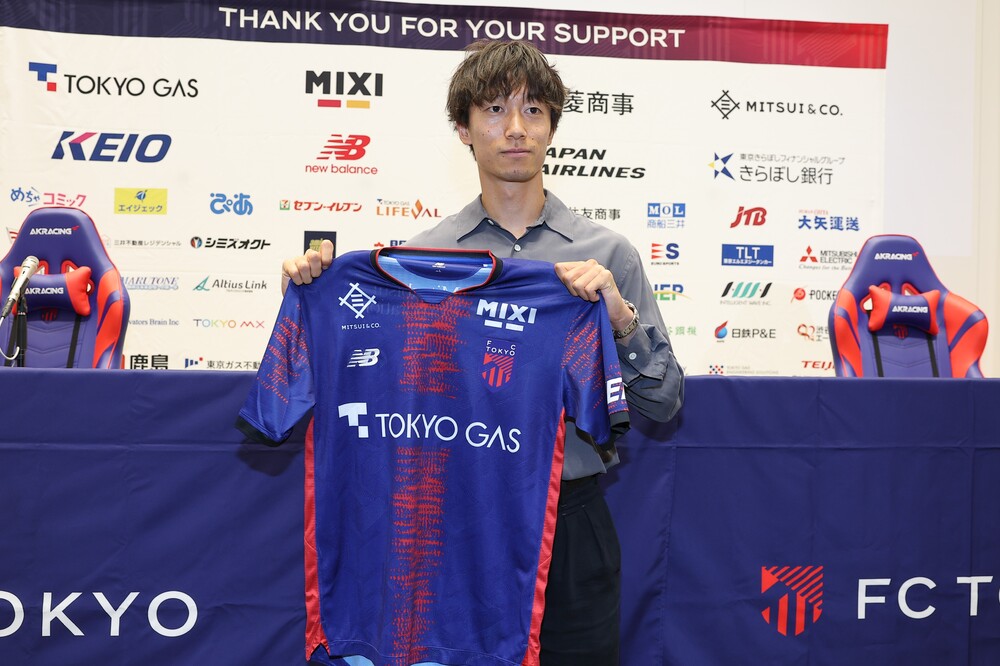
── At the press conference for joining, you mentioned wanting to "lead by example." With player Muroya joining, it clearly feels like the team's atmosphere and fighting spirit have changed. Do you also feel a different sense of confidence yourself?
I can't compare because I don't know what it was like before I joined, but personally, rather than saying I changed things, I think the team really managed to change well as a whole. Including the players who joined in the summer, everyone was able to play an important role, and I feel like everyone accepted it well and the team built up successfully. I feel like we've become a team that can fight, and I think that was conveyed to the people watching, as well as the fans and supporters, through the matches. Of course, it wasn't just my own strength, but I'm really glad that I was able to contribute to the comeback in the second half of the season.
──In terms of comparison, do you feel any differences or changes compared to your previous self?
That has changed quite a bit. Of course, I have always been the type to show my desire to win on the pitch, but before, I didn’t really pay much attention to the team’s atmosphere or momentum. To be honest, I played at my own pace and felt that as long as my own performance was good, that was enough. But now that I’m 31, I think I’ve started to see a bit more clearly what I can do to help the team win. I’ve also started to encourage players who aren’t playing in the matches. Also, living in Germany changed my values. I really felt through the matches and daily life there what the fans and supporters expect from the sport of football, and why they come to the stadium. They come to watch the team they support fight, and that was something I strongly sensed. So, when I came back to Tokyo, I wanted to express that aspect as well.
──It seems like the second half was when the team regained what was important.
I only know about the second half of the season, but I believe those who have seen both the first half, where results didn't go as expected, and the second half, where the team started to function well, understand best what the difference is. I think it probably comes down to the attitude of truly fighting for victory. First, we need to face each match based on the way we fought in the second half, focusing on those fundamental aspects. And of course, as a group capable of winning, we must continuously demonstrate the attitude and commitment required to win throughout the match.
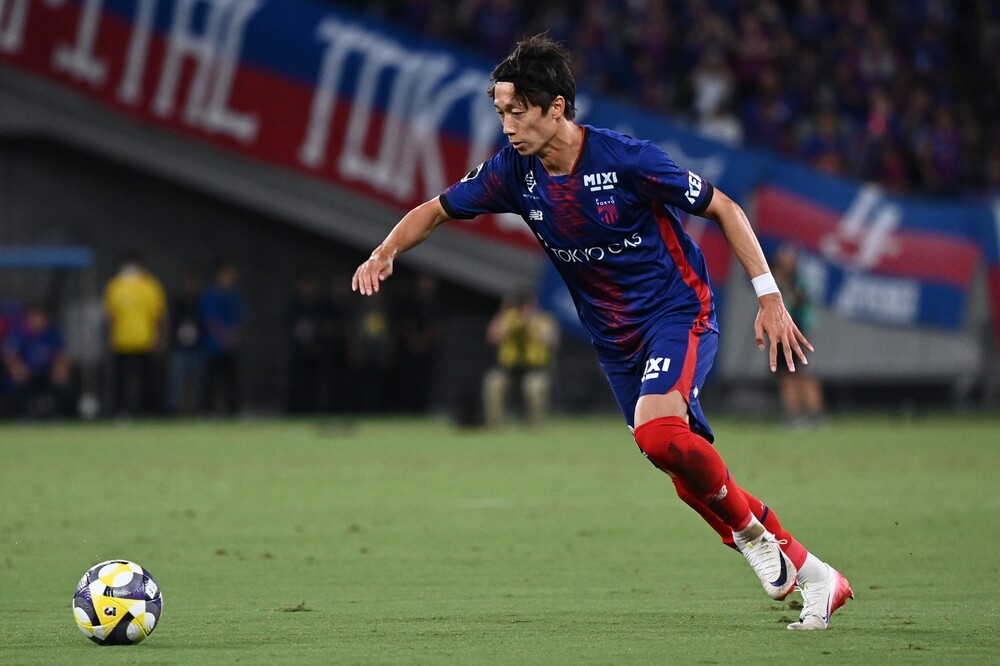
── How do you feel when you look back on your decision to return to Tokyo at this timing? As mentioned earlier, I believe the meaning and value of being able to bring back the experience gained in Germany is very high.
I am simply happy that various circumstances and timing aligned for me to return to Tokyo, and I am always able to play with the joy of being able to fight for Tokyo again. I have always wanted to come back while my body is still able to move. Personally, there are still many things I need to work on, but I believe I have somewhat demonstrated my fighting spirit towards the team and how I approach daily practice and matches.
──Adopting a four-back formation from the second half of the season became a major turning point for the team. Looking back at the play on the pitch, it seems that assigning player Muroya to left side back also brought a significant boost to defensive stability.
I want to become a player who loses the ball less often in my own area. As a left side back, I focus more on defense and want to keep Yuto NAGATOMO on the right side as high up the pitch as possible, so we often rotate the back line with three players, and I had many opportunities to be in that position. Also, I want to prevent Alexander SCHOLZ and Masato MORISHIGE from having one-on-one situations with the opponent in wide spaces as much as possible. I always think about positioning to prevent that beforehand and about being the first defender to close down the opponent during counterattacks. Anyway, as long as the team can win, I’m fine with playing a role that doesn’t stand out, and right now I’m really enjoying playing as a left side back. I want to play soccer for as long as possible, and in that sense, having the option to play on the left side as well is a plus for the rest of my career.
──In the second half of the season, the defense clearly stabilized, reducing the number of goals conceded, and we were able to achieve results based on a solid defense.
I have really felt over the past six months that we have become able to take a flexible stance against our opponents and fight in a flexible way. Since I am primarily a defender, it was good that we had many clean sheet (no goals conceded) matches in defense, and we have developed the ability to win games by a one-goal margin, giving us the feeling and confidence that having one goal is enough to win. Even when we don’t score, the team has developed the mentality to fight without getting impatient. Ideally, I would like to improve the quality of our attack more, but I also think that the whole team, including the forwards, really supported the team by working hard defensively. However, regarding the attacking aspect, it is something the team must improve as we head into the 2026 season.
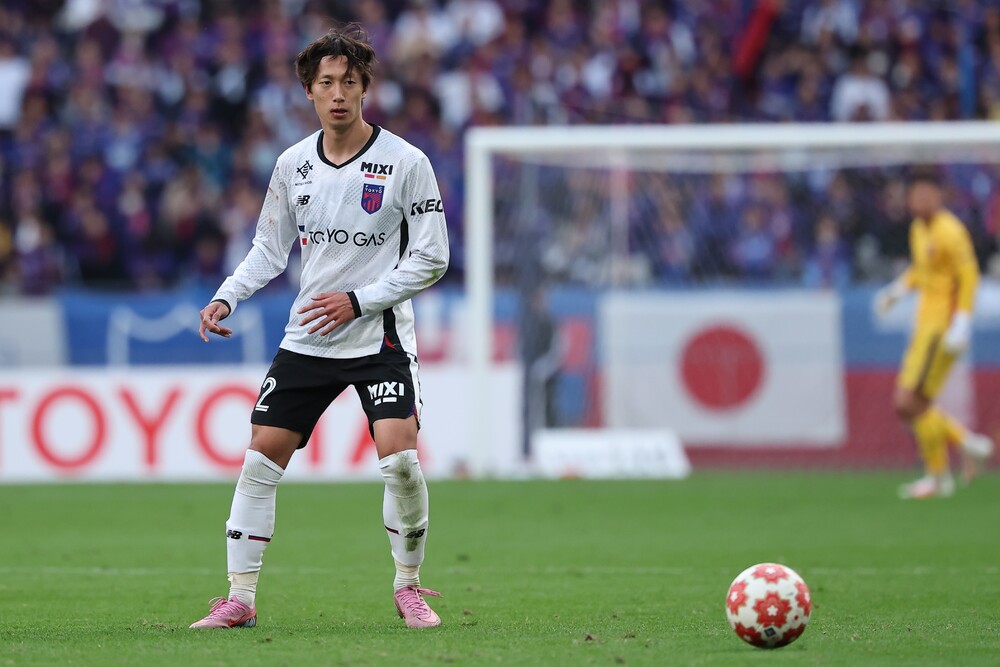
──While we succeeded in making a comeback, the Emperor's Cup ended in a disappointing result with a loss to FC Machida Zelvia in the Semifinal Round.
Of course, winning the title is not easy, and we were conscious of our approach, play, and behavior to win. However, Machida, who we faced in the Semifinal Round, really fought desperately and aimed for the goal with the determination to score at least one point, even if it meant playing rough. And they managed to snatch it. Tokyo also needs to have that kind of foundation, and on top of that foundation, the coach's style is added. Of course, I think we had a good match, and I believe it wouldn't have been strange if Tokyo had won. However, we must seize matches like that, and I felt that we need to become a team that wins before even realizing it.
──Finally, what is necessary to truly gain strength?
It was a half-season where I felt I wanted to take more responsibility in playing to make Tokyo a club that can always compete for titles. I believe I am always expressing myself on the pitch, and I consciously push myself to play with my emotions fully on display, but I want to involve the team more and more effectively. After the final match, when Coach Rikizo MATSUHASHI gave his greeting, there was booing, but originally, we players should be the ones most criticized. Rikizo-san took that criticism on our behalf. I sincerely accepted those voices and felt we need to direct the arrows more towards ourselves. Of course, everyone is fighting. However, in a true sense, we need to demand more from each other and re-examine what we can do to win. This applies not only to players but also to staff, the organization, and the company. Of course, I believe everyone is making efforts, but to truly become a winning team, including myself, we all need to think more deeply and act together.
Text by Tomoo Aoyama (Freelance Writer)