

FC Tokyo finished 4th in the Meiji Yasuda J1 Century Vision League. In the Regional League Ground EAST Group, they closely pursued the top-ranked Kashima Antlers but fell short of the championship goal set before the season started. However, under the leadership of Rikizo MATSUHASHI, now in his second year as head coach, the team developed a diverse attacking power and showcased an attractive style both offensively and defensively. It was a fulfilling half-season that raised expectations for the 2026/27 season.
In the 2025 fiscal year financial results, a record high annual sales of 7.21 billion yen was achieved. Amidst this upward trend in business performance, the resignation of President Shigeya Kawagishi, effective July 1, was announced. This interview summarizes his approximately four and a half years in office since February 2022. In this first part, we discussed the management situation in 2025 and the half-season battles.
Interview and composition by Yuji Matsuoka (Chunichi Sports)
──I believe many fans and supporters were surprised by the announcement of your resignation on May 28. First, please tell us about the circumstances leading to your resignation and how you have come to terms with it.
"Personally, I had intended to continue a bit longer. We announced the relocation of the training ground, and the plan was to start using it about two years later, so we were scheduled to have a ribbon-cutting ceremony to celebrate the opening then. However, MIXI, Inc. approached me with a request to take on this new project, and after repeated discussions, it was decided to make this change at this timing. I myself feel a strong reluctance to leave. There were still many unfinished tasks and things I wanted to do going forward, but since this was decided through discussions, I have accepted it."
── You assumed the presidency amid the lingering impact of the COVID-19 pandemic. It was a major shift to the MIXI Group system. I imagine it was a difficult course to navigate.
"MIXI, Inc. has been advancing its sports business and was already managing the Chiba Jets in the B.League. We were also involved with FC Tokyo as a main partner, and I joined that effort, taking charge of this project. Around 2021, right in the midst of the COVID-19 pandemic, I wrote a management plan to develop the club into one befitting the capital and discussed it with Tokyo Gas. Being able to shake hands with Tokyo Gas on the business plan I wrote, I approached the project with the feeling that I had received an important baton."
I have heard that under the management centered around Tokyo Gas, the aim was to establish the club as a community club supported by many shareholders. However, amid the impact of the COVID-19 pandemic, there were concerns that this management structure might not be able to overcome the challenges, which led to the decision to hand over to MIXI, Inc. At the same time, it was also important to consider how to embrace the club’s long history and spirit dating back to the Tokyo Gas Soccer Club era. In that sense, we have proceeded while placing great importance on relationships with various partner companies and local governments, led by Tokyo Gas. Rather than focusing on what MIXI, Inc. wants to do, I believe the past four and a half years have been about what we can do for FC Tokyo and how we can move forward together with those who have supported us so far. Whether I have fulfilled my role as president is not for me to judge, but as the first president after the change in management structure, I believe I was at least able to pave the way.
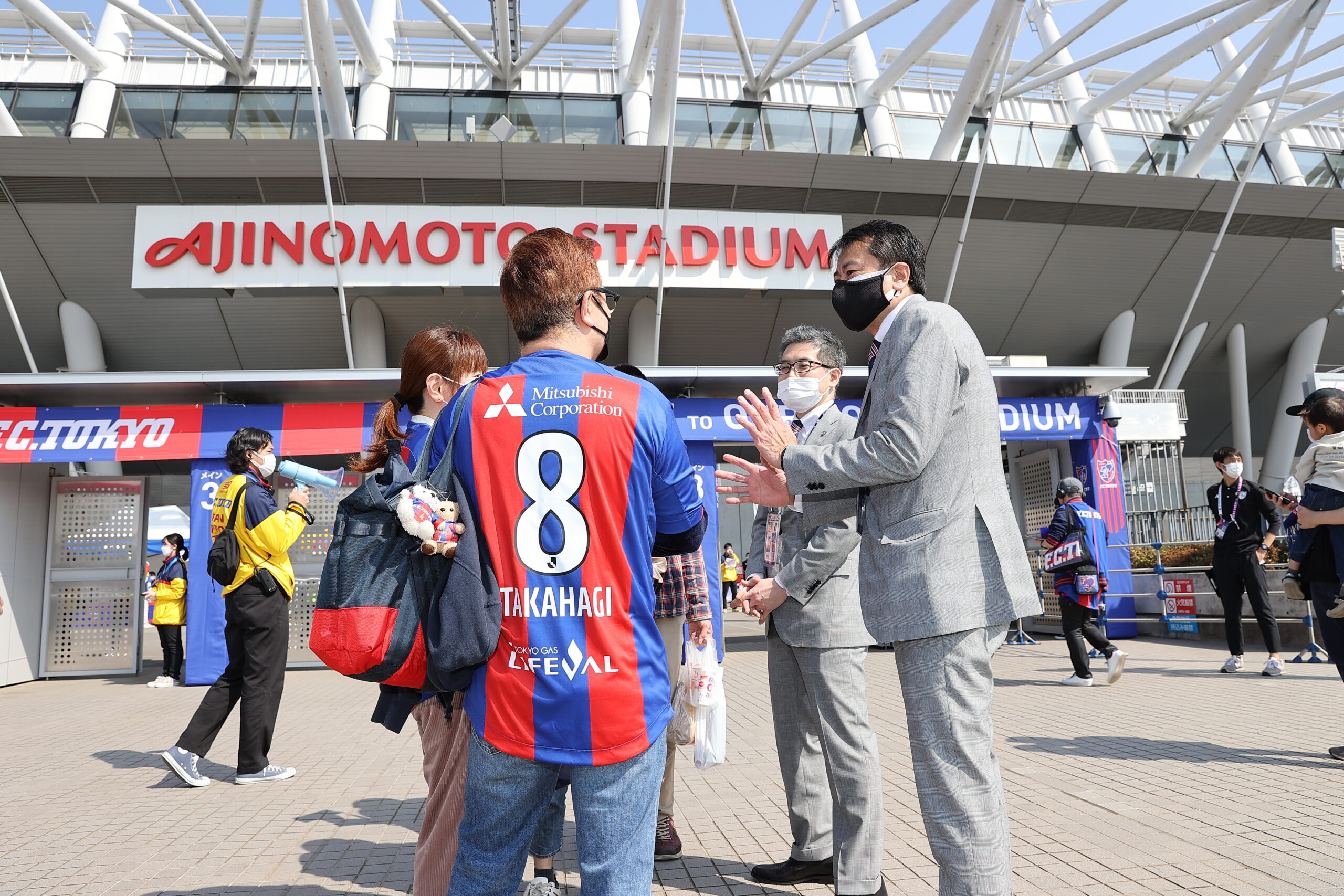
──There has been remarkable growth on the business side. The financial report for fiscal year 2025 shows record-high sales.
"Sales reached 7.2 billion yen, expenses were 7.1 billion yen, and the profit was just under 100 million yen, but we managed to finish with a surplus for the second consecutive year. Starting from the mid-4 billion yen range in sales when I took over in 2022, including the downturn caused by the COVID-19 pandemic, I believe we were able to achieve solid growth. However, I also recognize that the pace of sales growth has somewhat moderated."
Regarding expenditures, a major topic was the large-scale reinforcement made last summer despite the team’s difficult situation. The reality is that the increase in expenses was mostly due to the team’s personnel costs resulting from this significant reinforcement. The initial budget was planned to break even, and we proceeded after confirming with MIXI, Inc. that this reinforcement might lead to a substantial deficit. However, as a result of sales efforts and cost control, we were able to cover the summer reinforcement costs without receiving additional support from MIXI.
──I would like to ask about the sales efforts and cost control section by section. First, how was the overall impression?
"Over the past four and a half years, each business segment has grown quite steadily. However, as I mentioned earlier, considering the club's current capabilities and brand value, it is becoming difficult for the business side to continue growing in a straight line, and I believe signs of this are starting to appear. Compared to last year, some businesses have plateaued. As noted in previous management reports, I think moving forward, growth driven by football performance will be necessary."
──Looking at the breakdown of the figures, there was a significant impact from advertising revenue. Could you please explain the reason for this?
"Advertising revenue reached 3.22 billion yen, which I believe was a major driving force. A key highlight was the participation of Keio Corporation and JAL as big partners. We also renewed a long-term contract with New Balance, with whom we have built a strong relationship, and their very robust support was a significant factor. Additionally, several new partners joined, which helped to raise the overall baseline of advertising revenue and achieve substantial growth. Every year, we work on improving programs and services for our partners to increase their satisfaction."
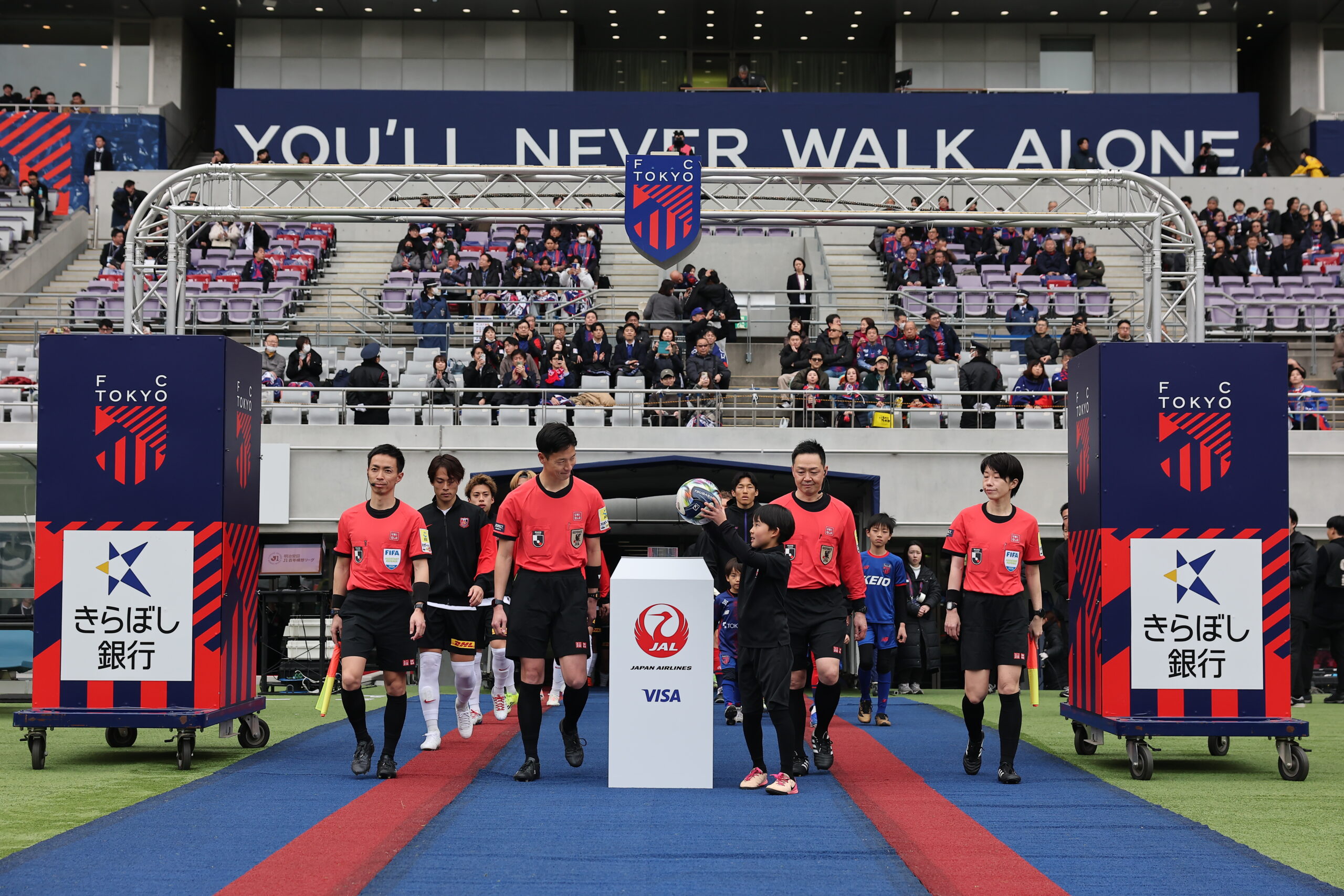
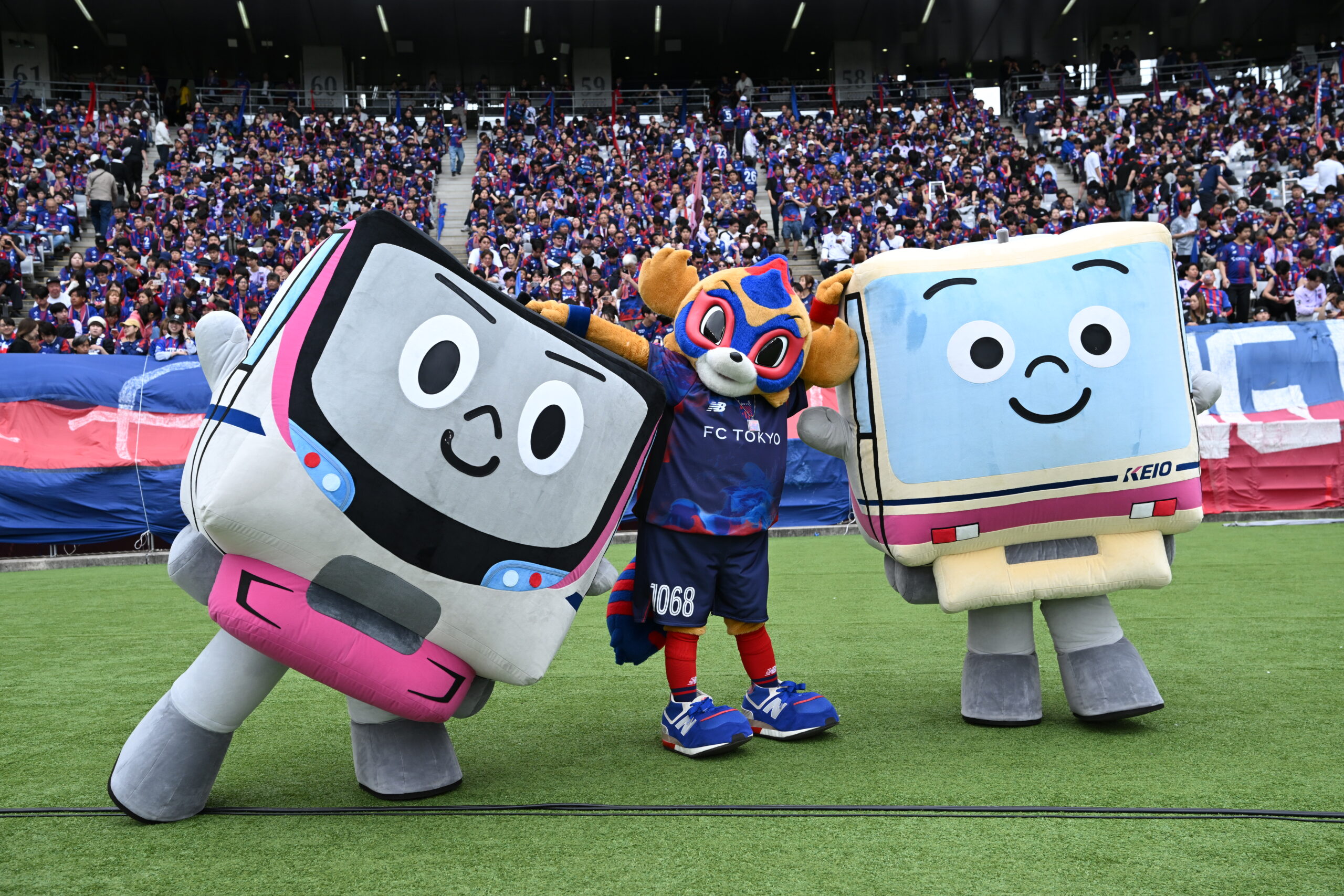
Additionally, we consider the addition of Keio Corporation as a core company to be a major topic. Keio Corporation is also a uniform partner, and with the idea of 'advancing together including management,' they have dispatched an executive from this year and are participating in management. They have become a very important partner for FC Tokyo, so we hope to build a long-term good relationship.
──On the other hand, ticket revenue did not see significant growth. How do you analyze the reasons for this?
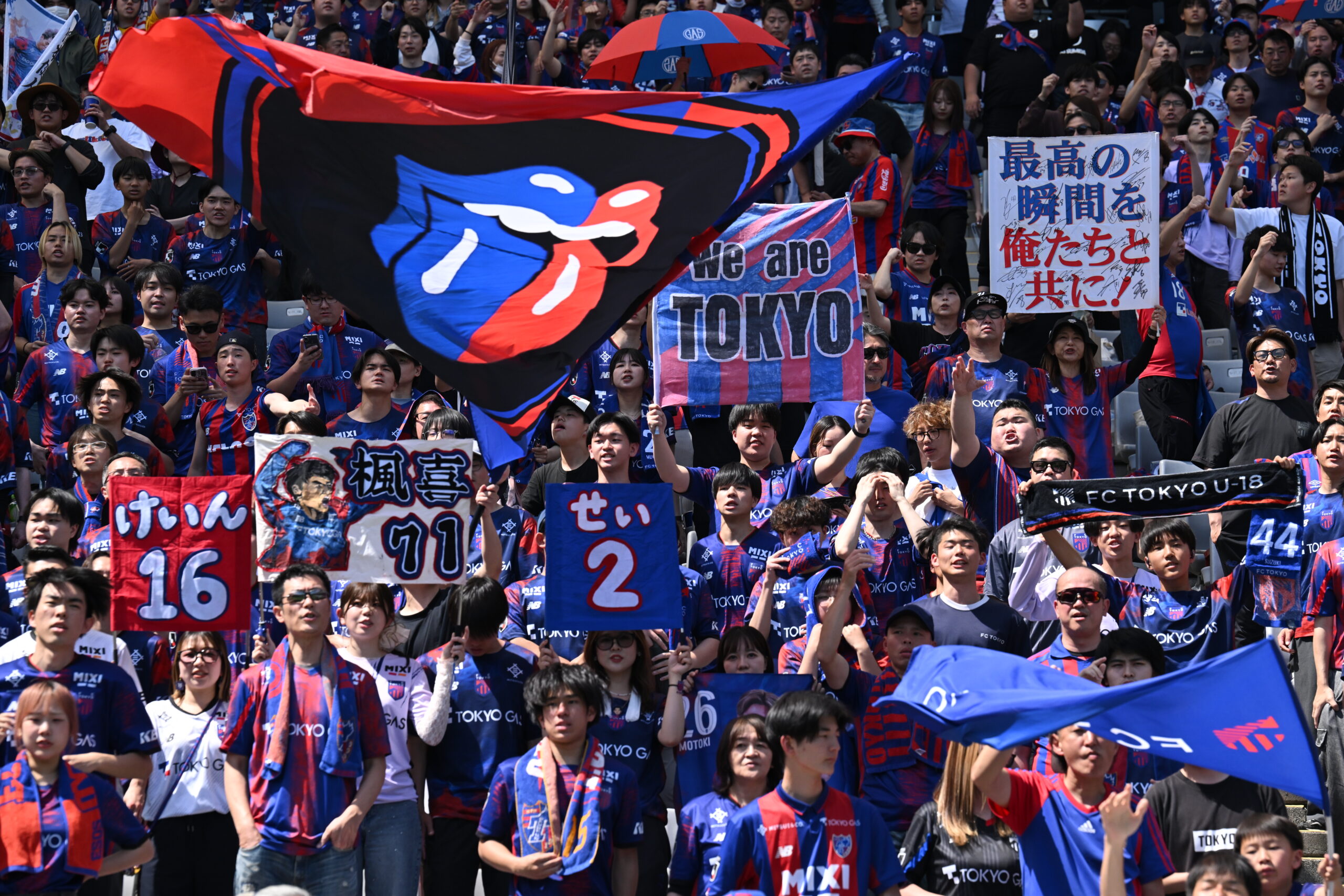
"Ticket revenue remained flat at 1.44 billion yen, the same level as the previous fiscal year. Early in the season, adverse weather had an impact, and there was also one fewer match held at the Japan National Stadium compared to fiscal year 2024, which I believe was a significant factor. Additionally, the team's poor performance affected attendance, preventing us from increasing the number of spectators. I also think that the difficulty in securing wins at our home ground, Ajinomoto Stadium, had an impact."
However, while we are constantly rebalancing ticket prices, we see that the U-12 ticket initiatives are effective. This is evident in the scenes at the stadium as well as in the actual data, which shows that we have been able to keep the average age of fans and supporters down. This is exactly as intended. Of course, we must always cultivate new demographics, but what will become important going forward is how many times people come to the stadium. Here, we want to strengthen repeat visitor initiatives by increasing the benefits such as those offered through the OFFICIAL MEMBERSHIP, encouraging fans to visit the stadium more frequently.
──Regarding the steadily growing merchandise sales revenue, what kind of measures do you think have influenced this growth?
Regarding merchandise revenue, since we changed the accounting method, a simple numerical comparison is not possible, but according to our calculations, it has increased by about 10% to 720 million yen. Due to the change in our stadium sales partner the year before last, we were able to enhance our stores, and I believe this effect is clearly reflected in the numbers. The aggressive approach we have taken with uniform sales, despite carrying considerable inventory risk, has also yielded results, with sales volume roughly doubling compared to before the COVID-19 pandemic. In fact, I have visibly noticed an increase in the rate of blue and red uniform wearers at the stadium, which makes me very happy.
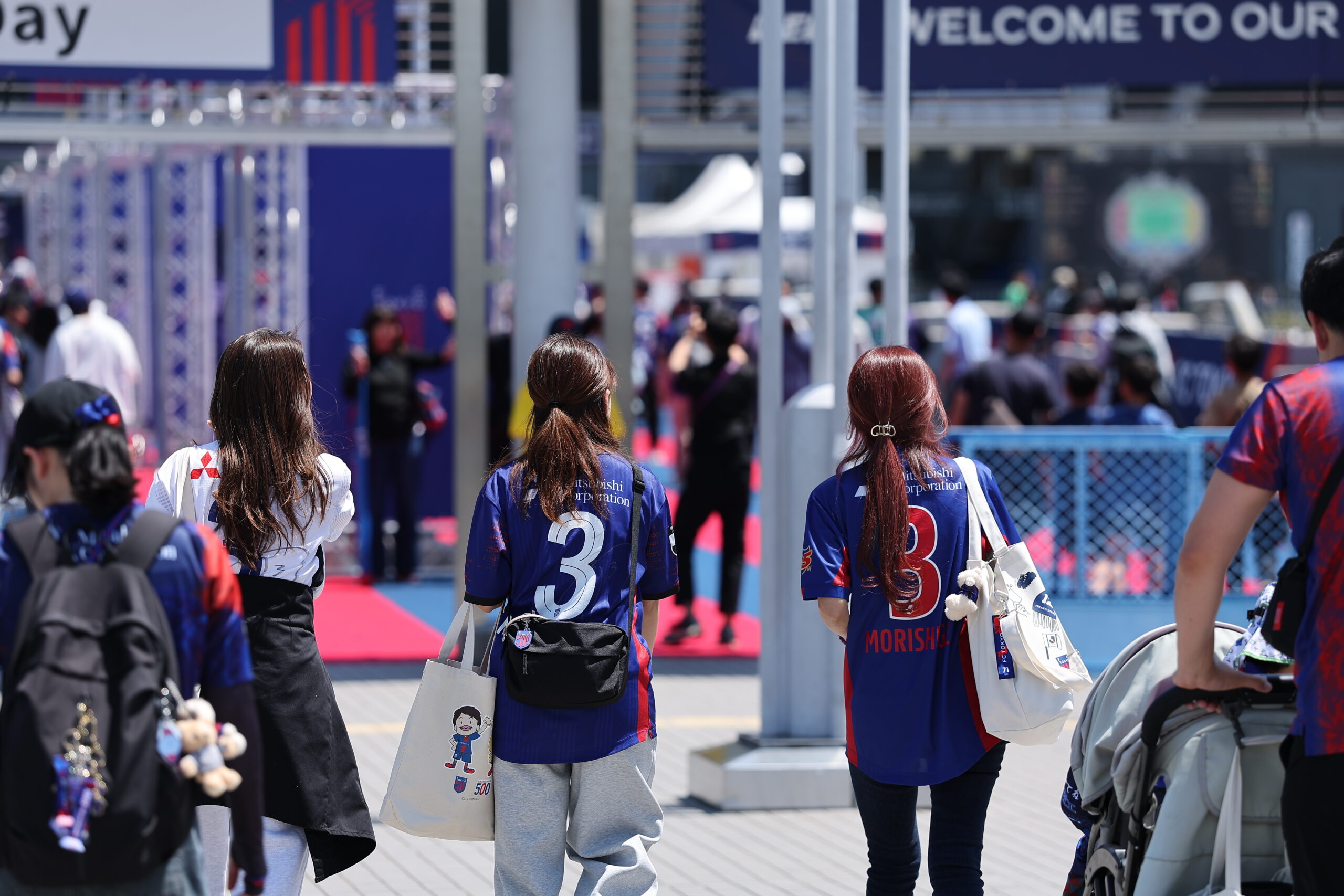
However, in relation to the preseason match against Borussia Dortmund on August 1st, when we exchanged information about the number of uniform sales with the other party, I was surprised to find the sales figures differed by an order of magnitude, which made me keenly realize that the world is engaged in a completely different level of competition.
──The school business is being expanded sequentially. What are the aims and future prospects?
“The school is also steadily expanding. Since I took charge of FC Tokyo’s management, I have paid considerable attention to the school business. Previously, the number of schools and students was on a declining trend, but I believe the past four and a half years have been a period in which we reversed that trend and moved toward expansion. We newly opened schools in Karasuyama and Kunitachi City in 2025, and in Minamisuna and Kamata in 2026. By opening six new schools over four years, the number of students has greatly increased.”
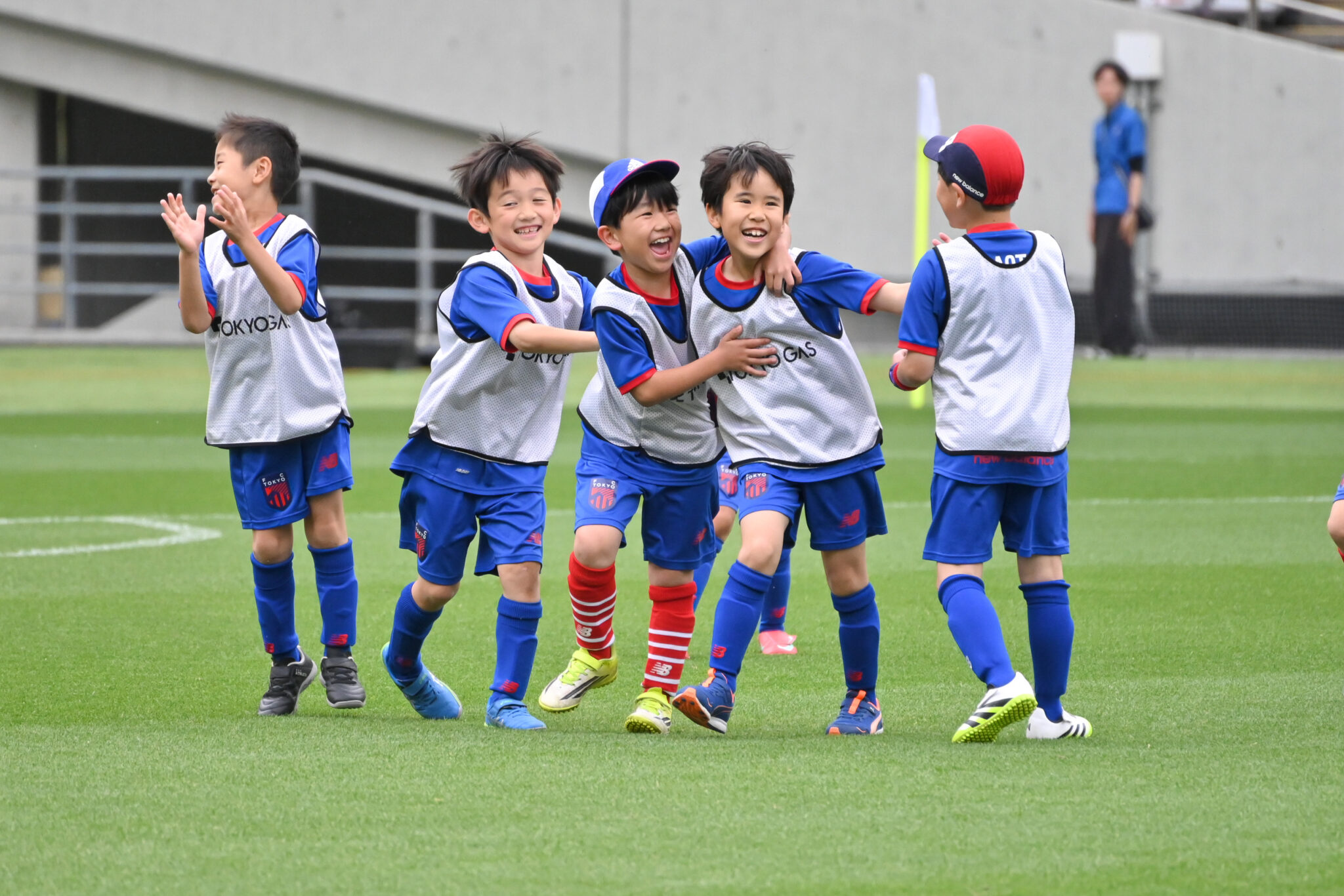
Of course, we also feel the impact of the declining birthrate in Tokyo. We have noticed a slight lack of response in the Kindergarten class (pre-school class), so we are expanding the school by introducing measures such as opening classes for adults. The elementary school classes are steadily increasing, so we believe we need to consider the business model in line with overall population trends and develop strategies on a municipality-by-municipality basis about "where to focus our efforts." In doing so, we look at the population distribution of elementary school-aged children in each area. Additionally, we analyze what kind of competition exists while confirming the business potential and feasibility. In recent years, we have started initiatives to open schools within the 23 wards, which was originally a management challenge, and this year, the openings in the eastern area of Minamisuna and the southern area of Kamata are a reflection of that effort.
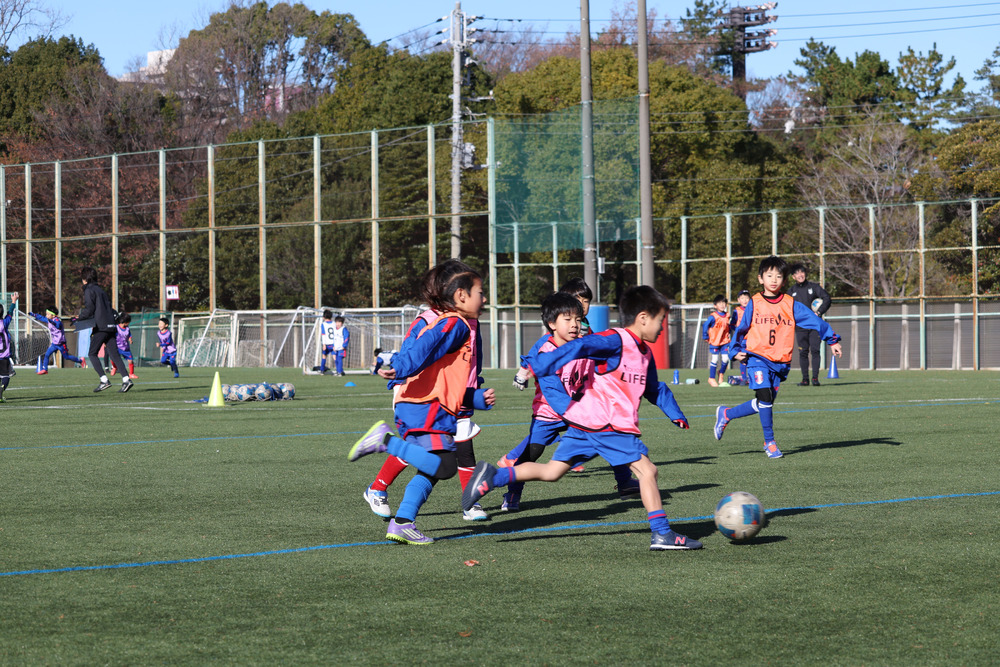
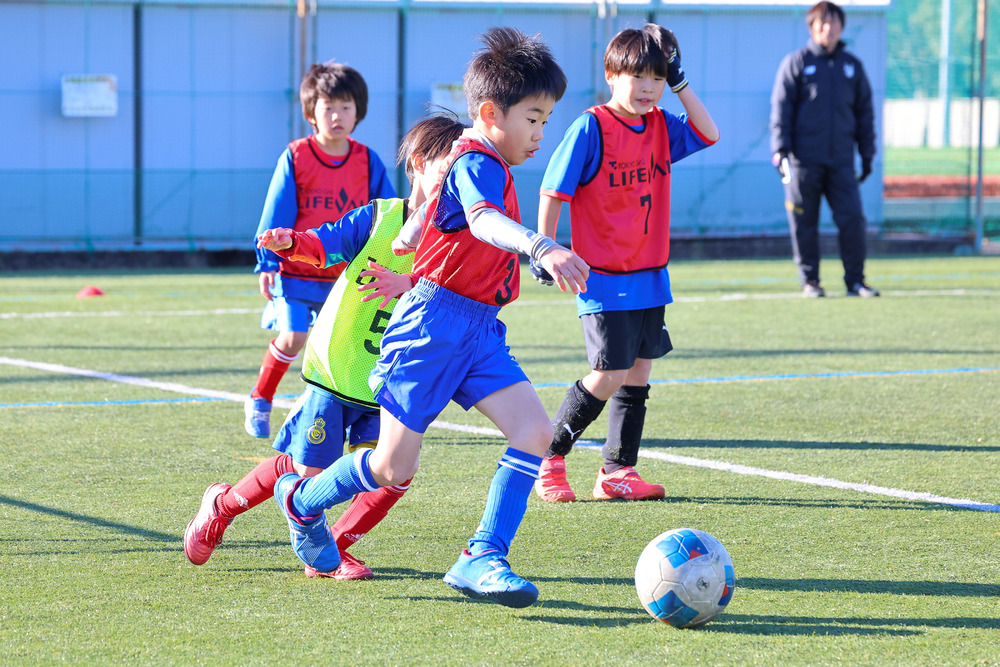
We consider the school students to be members of the FC Tokyo family, and the schools themselves as blue and red hubs for promoting FC Tokyo. There are still many areas where we have not yet established locations, so we intend to continue actively opening new schools.
──The income from transfer-related penalties (transfer fees) continued to have an impact following the previous fiscal year. What are your impressions?
Regarding transfer fee income, it was 600 million yen the previous year and 500 million yen this time. Including Taishi Brandon NOZAWA (Royal Antwerp FC) and Seiji KIMURA (KVC Westerlo), we were able to reach the figure of 500 million yen. This ultimately allowed us to allocate the funds to the summer reinforcement budget, which, as I mentioned earlier, meant we did not need additional support from MIXI, Inc. Over the past few years, we have been able to secure transfer fees at the level of several hundred million yen, and the current strengthening department has been diligently working on assessing player value and timing transfers accordingly, so I evaluate this as a successful outcome.
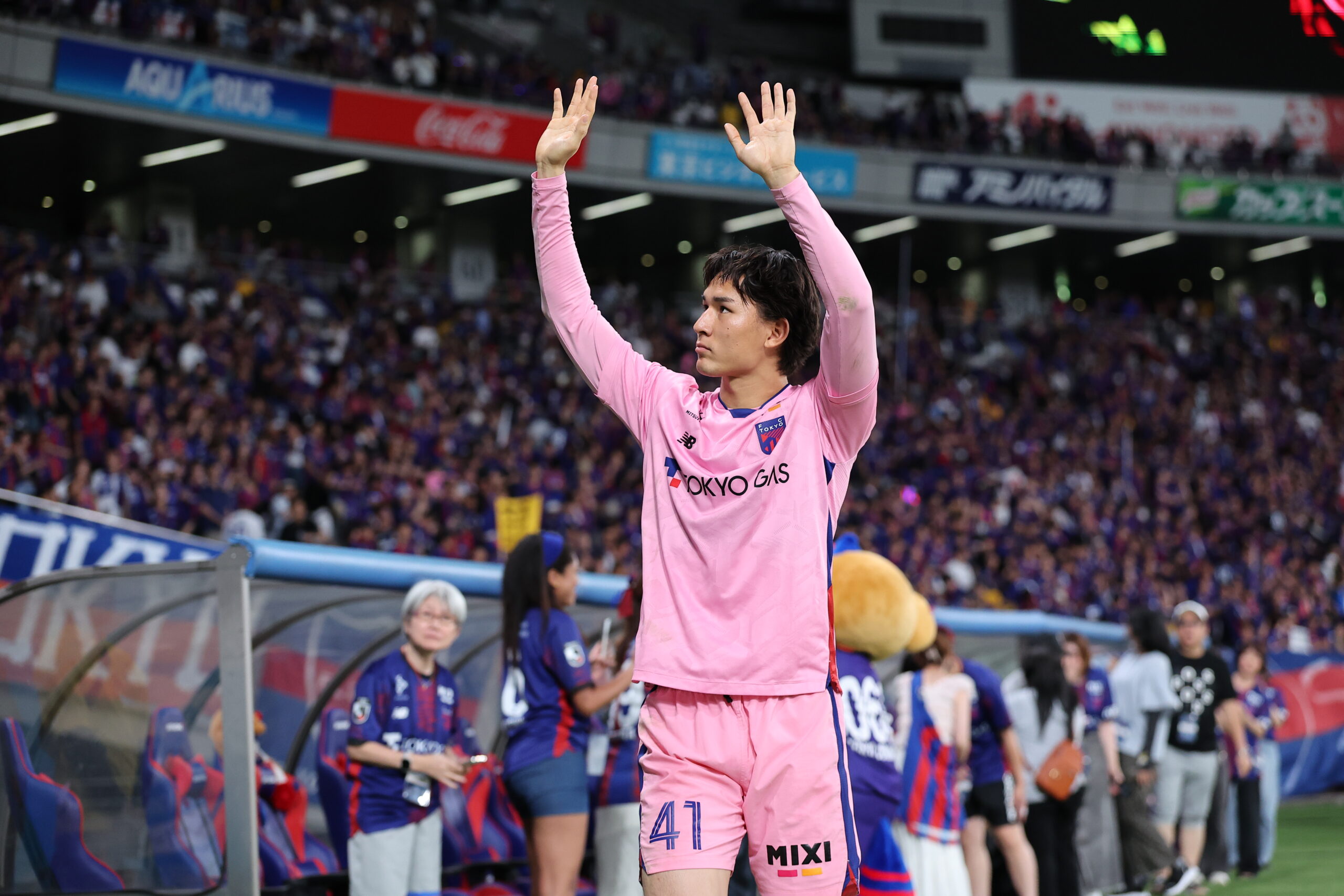
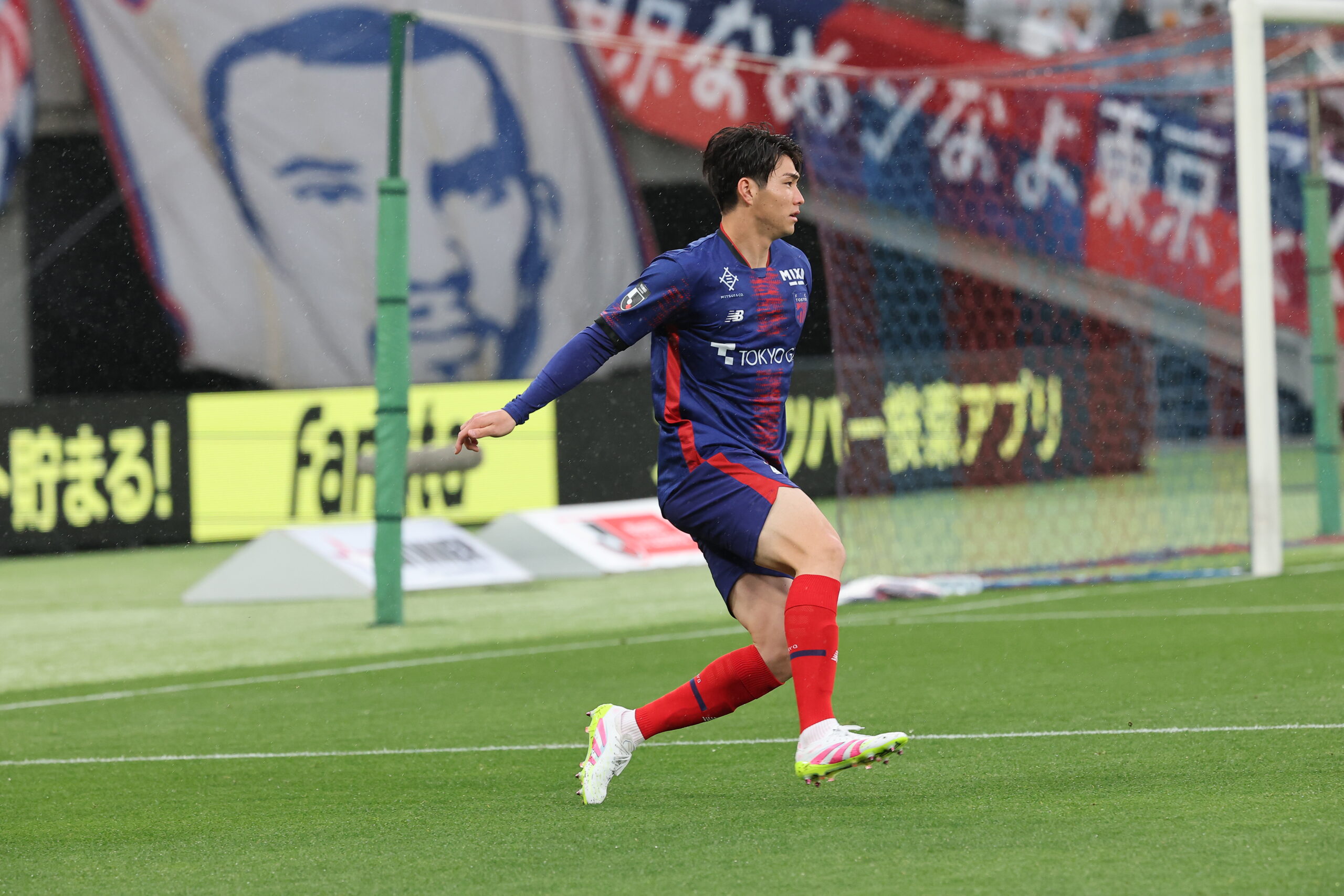
However, there is potential to sell players for higher fees. This is an issue across the entire J.League, and in reality, clubs often set transfer fees quite low during negotiations when acquiring players, and we too have been somewhat influenced by this. The most ideal approach is not to set fixed transfer fees but to decide them case by case through discussions. This is common practice in Europe, but it has not become the standard in Japan. I believe the club is doing what it can, but unless the league as a whole addresses this, I feel that a future where a single transfer reaches figures like 2 billion yen will not come soon.
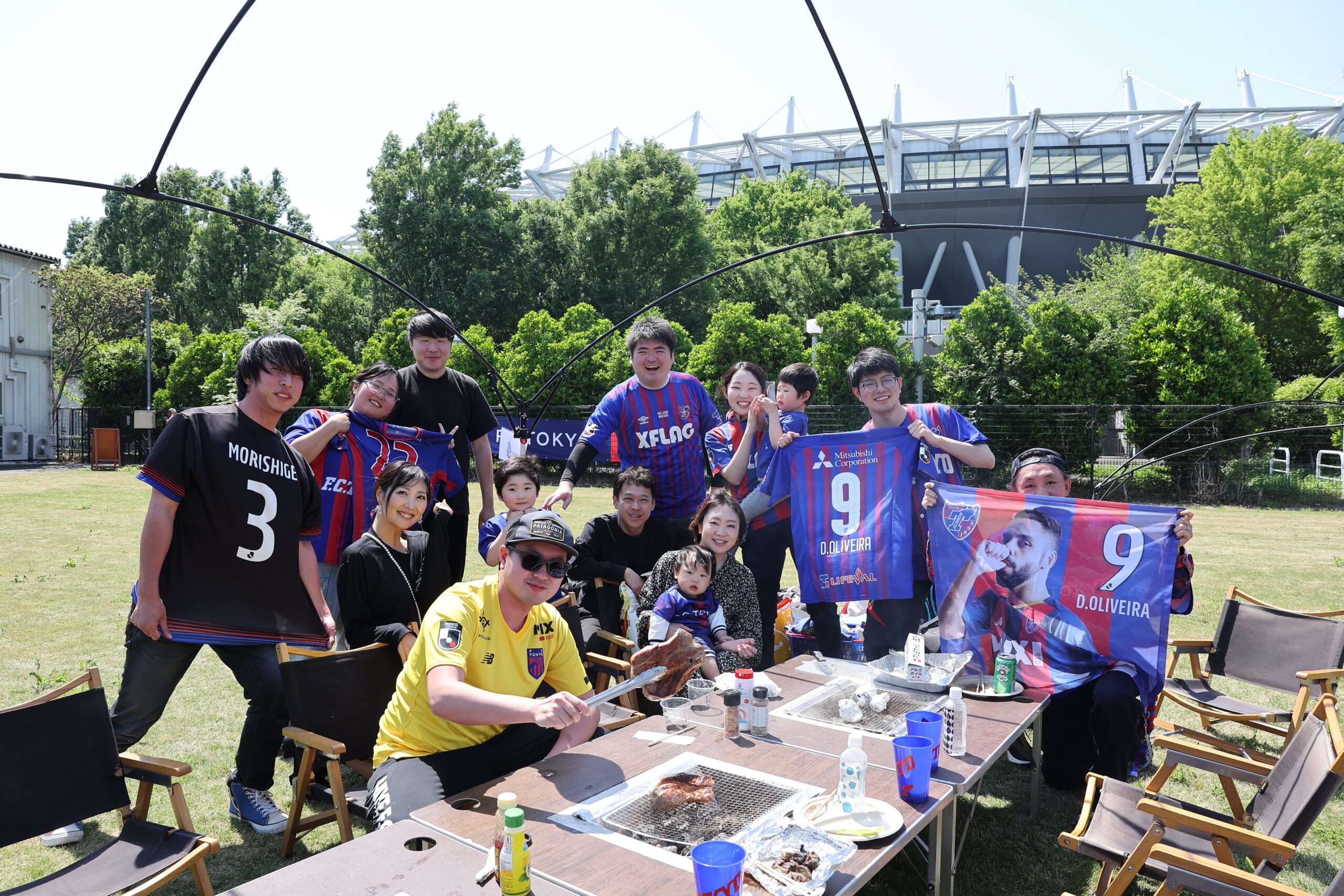
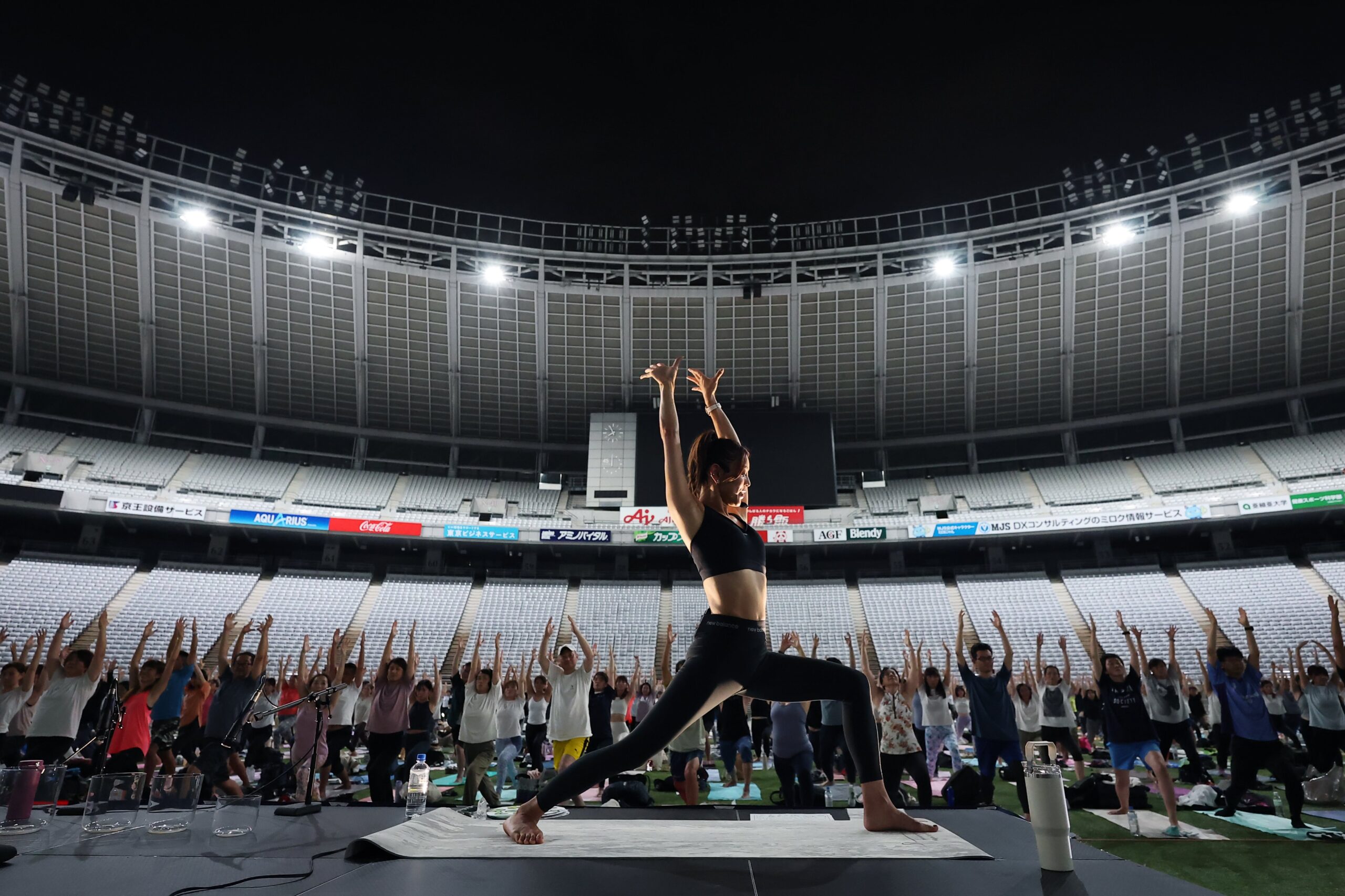
──We are also actively engaged in event management such as yoga and BBQ. How do you evaluate the results here? “We are leveraging the strengths and know-how gained from managing matches as events, and in collaboration with Ajinomoto Stadium, we are working on new types of events. Last year, we ventured into new areas like running events, yoga, and barbecues, which attracted over 1,000 participants. Many FC Tokyo fans and supporters came to these events, but at the same time, we also encountered many new people. Especially at the yoga events, there were few existing fans or supporters, with over 80% being newcomers. We strongly felt that creating these kinds of real-life touchpoints is an excellent way to introduce FC Tokyo to new people, so we want to continue challenging ourselves and expanding these efforts.”
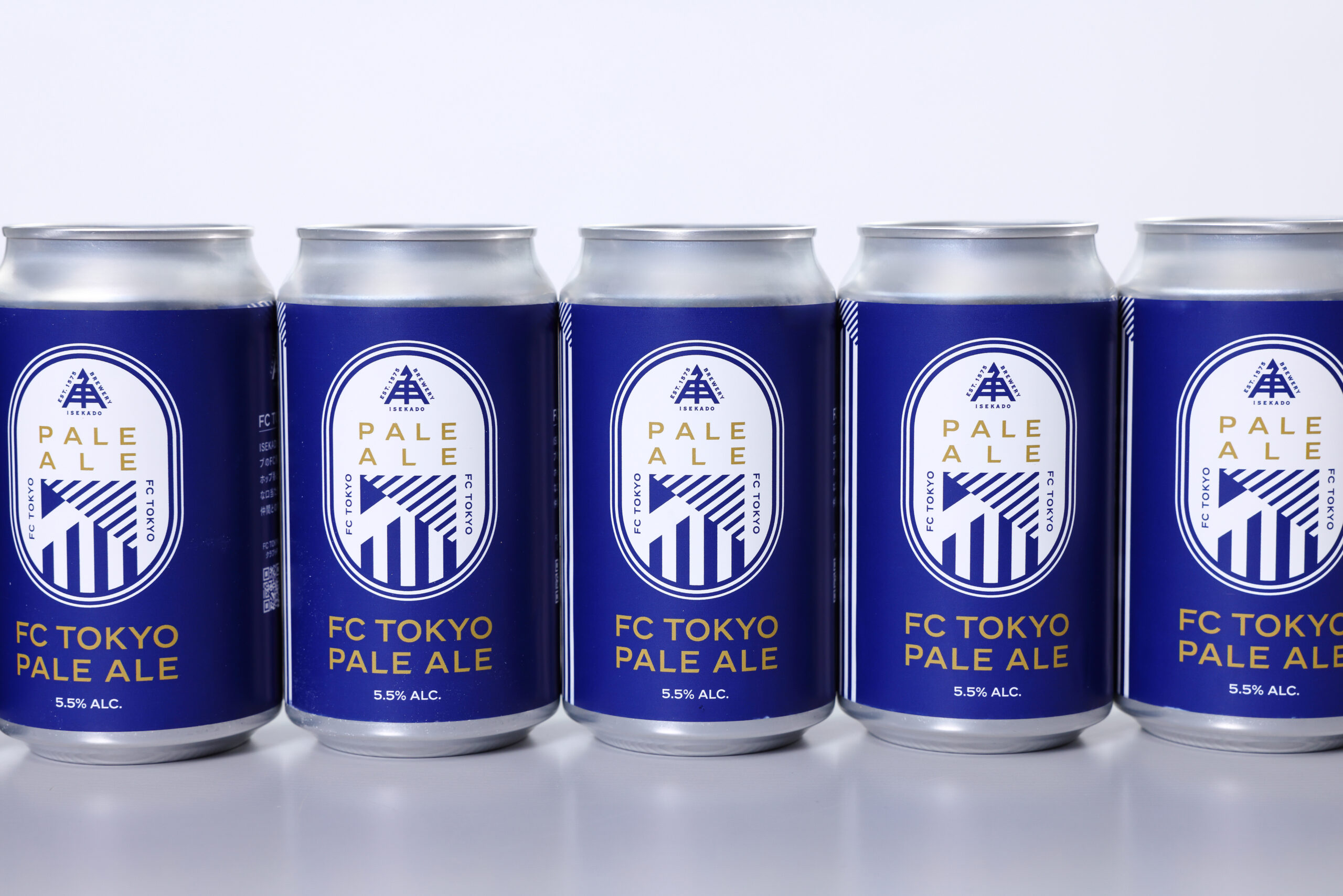
Speaking of past initiatives, we have worked with ISEKADO (Isekadoya Brewery) to jointly develop the 'Pale Ale,' which we have placed in Aeon and Keio Store locations to create opportunities for people to encounter FC Tokyo in their daily lives. This event is also effective as an approach to a new customer base, so we want to continuously create such points of contact.
──I would also like to ask about the Meiji Yasuda J1 Century Vision League. Would you say this special tournament was a six-month period in which you gained momentum that will lead to the next stage, both in business and football aspects?
“Since a few years ago when we were discussing the season transition, we have had various discussions with each club about the format and positioning of this tournament. The presidents of each club were also concerned about the business side, and some feared that 'we might not be able to sustain operations due to deficits.' Among the J1 clubs, it is true that there were voices expressing concerns such as 'annual ticket holders might withdraw' and 'sponsors might pull out triggered by this half-year period.'
However, the J.League also created a great deal of excitement, and while FC Tokyo had prepared for a significant deficit, we were able to greatly reduce it and now see the possibility of turning a profit. One of the biggest factors was that fans, supporters, and partners accepted the special tournament just like a regular league competition. Without relegation, there would be no tension unless the team was competing for the championship until the very end. From before the start of the season, we firmly set the goal of winning the title. Although we did not reach the championship, FC Tokyo was able to maintain a tense battle until the end, keeping the feelings of everyone involved with the blue and red tightly wound and allowing us to spend a time full of high energy. Being driven by football also had a positive impact on the business side. Despite having planned for a considerable deficit, ticket revenue greatly exceeded expectations, and thanks to the hard work of the sales team, the club’s earnings saw a positive effect.
──The football and competitive aspects have steadily shown results. Please tell us the reasons why the team has grown and improved.
"I believe that Rikizo MATSUHASHI, the coach whose contract extension was recently announced, has been fostering the team's growth in a positive way. Of course, in terms of team composition, being able to convert Marcelo RYAN and Motoki NAGAKURA to permanent transfers and acquiring players that Coach MATSUHASHI can easily envision has also been a significant factor.
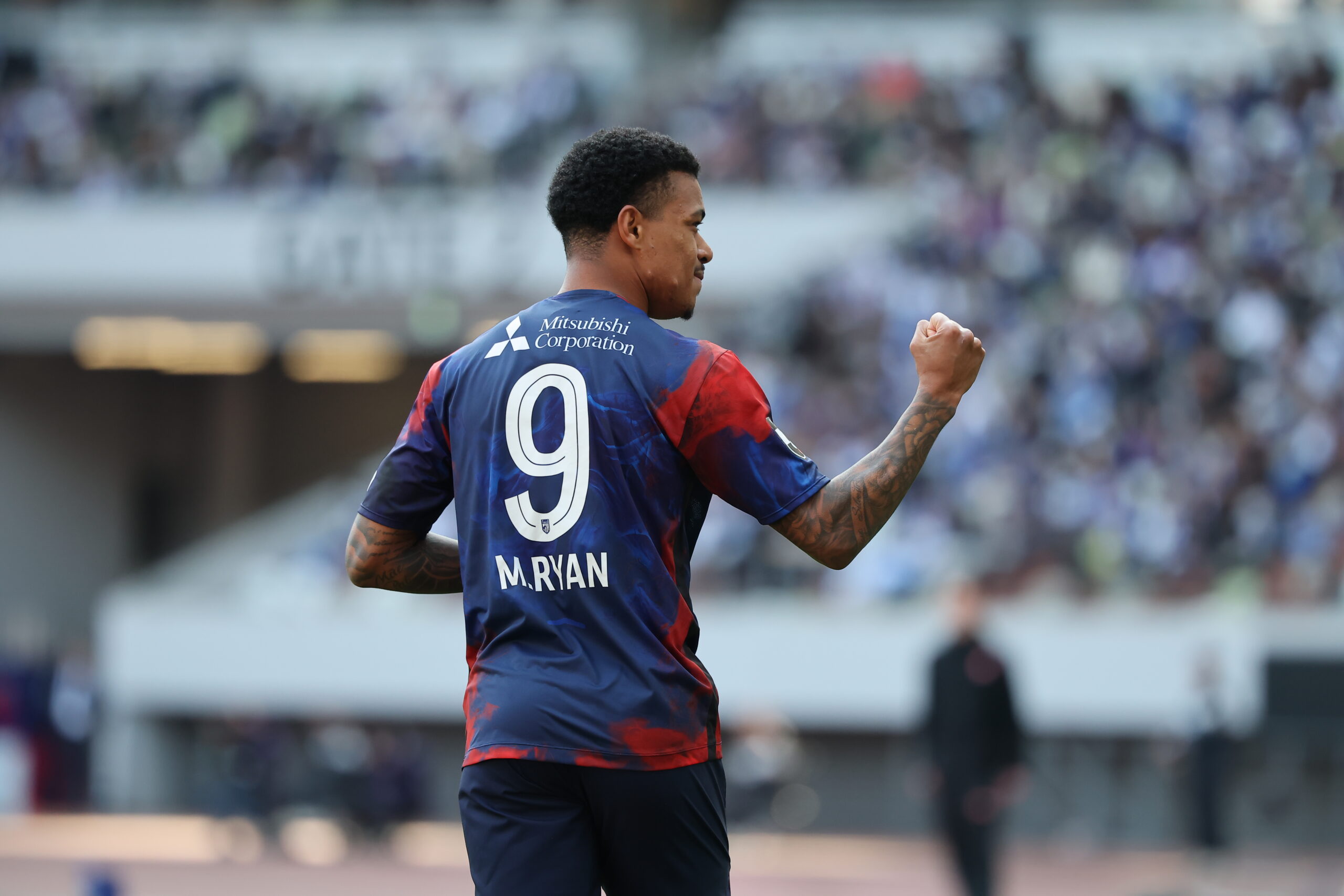
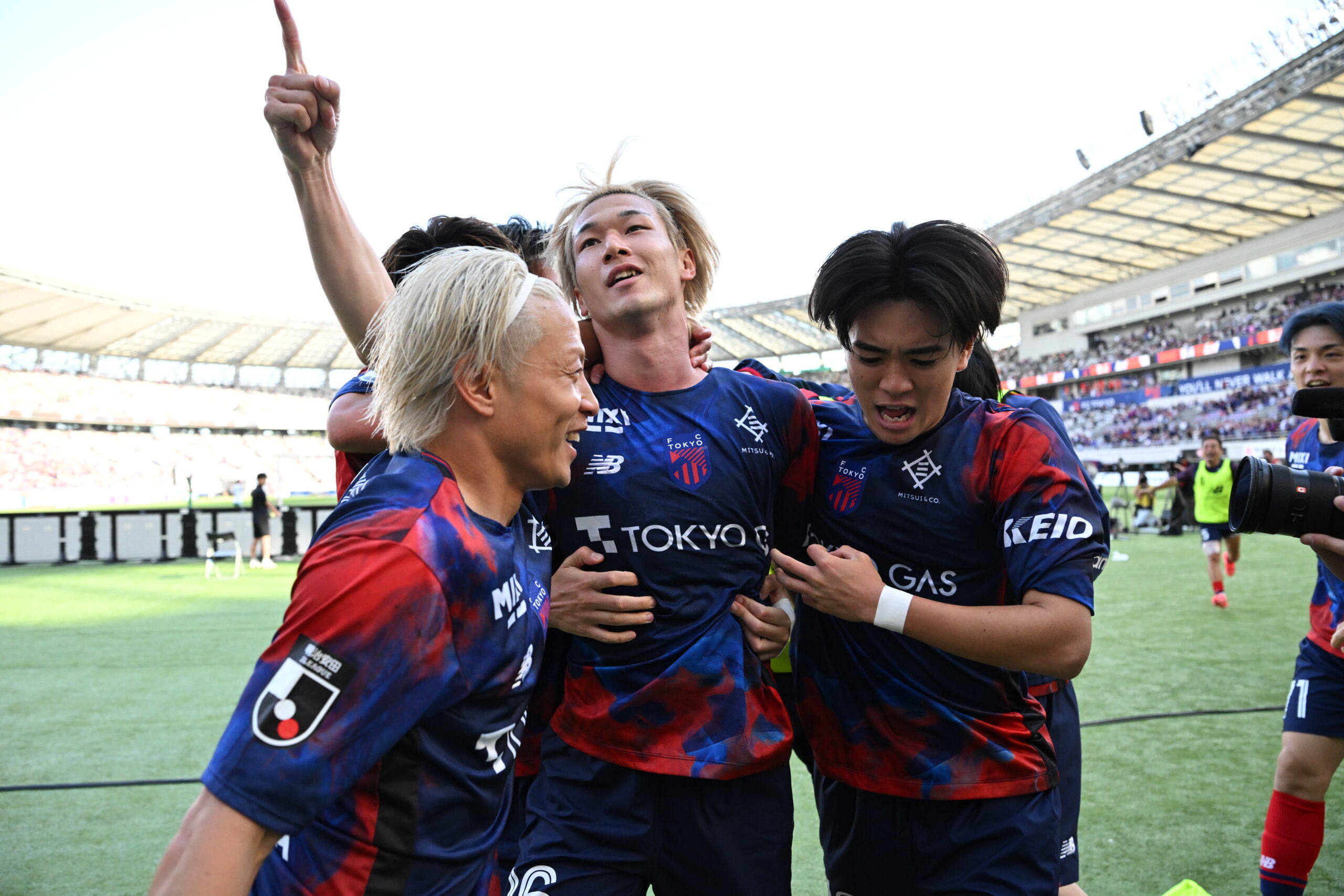
In line with the club's concept, I believe we were able to demonstrate "taking initiative in both offense and defense" in quite a few matches. The goals scored from high-press counterattacks left a strong impression, but upon closer look, there were also many scenes where goals were scored from build-up play. We launched various attacks such as short counters and long counters, and I feel the patterns of approaching the opponent’s goal have increased. Compared to last season, when we were caught by the opponent’s press during build-up, the team has shown remarkable maturity. The numbers show that the gap between high expected goals and low expected goals conceded was the best among all 20 J1 League teams, which objectively suggests that we were playing good football. The number of shots truly increased, and there were many situations where it was just a matter of finishing. I think this is the difference from Kashima Antlers, who finished first in the EAST group, so this point will be a future challenge for the team.
Even when talking with the players, we hear comments like, 'We can play without stress' and 'We are working with confidence,' and I feel that the direction the team is heading is not wrong. The football we are currently playing is maturing, and I believe the players are approaching it with confidence. Looking ahead to the 2026/27 season, after confirming with the new president, we have decided to extend Coach Matsuhashi's contract, so we want to continue pursuing the team's concept.
Last summer and this winter, we made significant moves in team composition and strengthening, but since the team's key concept basically remains unchanged, we will not be making major player changes heading into the new season. While maintaining the necessary players, we plan to make targeted reinforcements to further mature the team, so we hope everyone will look forward to the 2026/27 season as well.
──Please tell us specifically about the management side of the special tournament. It was mentioned a little earlier, but was there a tough balancing act on the business side?
"To be honest, we viewed it as a tough season business-wise, thinking we had to somehow hold on and endure for the next phase. We had actually set a deficit budget of about 300 million yen, but in reality, the deficit was significantly reduced, and there is even a possibility of a surplus. This is truly thanks to the hard work of the business side. The clear declaration of aiming for the championship as our football positioning was a major factor. Considering last season’s situation, we felt that it would be tough if we waited until things got difficult during the season to take action; instead, we needed to make significant moves at the start of the period. We positioned this season as one to deliver results by setting the maximum possible budget while listening to Coach Matsuhashi’s requests so he could fully demonstrate his abilities. Although we did not reach the championship, I believe it was a season that gave the club a strong sense of accomplishment."
──It seemed that the team grew day by day to become worthy of winning the championship. As the president, how did you feel about this?
"When competing in the middle of the standings, I think the word 'championship' probably just slips by. The feeling of whether the title is within reach or not is completely different, and this year, everyone felt during the competition that 'it seems within reach.' I believe the players were able to say 'aiming for the championship' not just as a formality but genuinely. This is quite important. In the special tournament, all the players fought with the sincere belief that they could win the championship. I have the impression that that sense of confidence and the strength and weight of those words gradually grew larger."
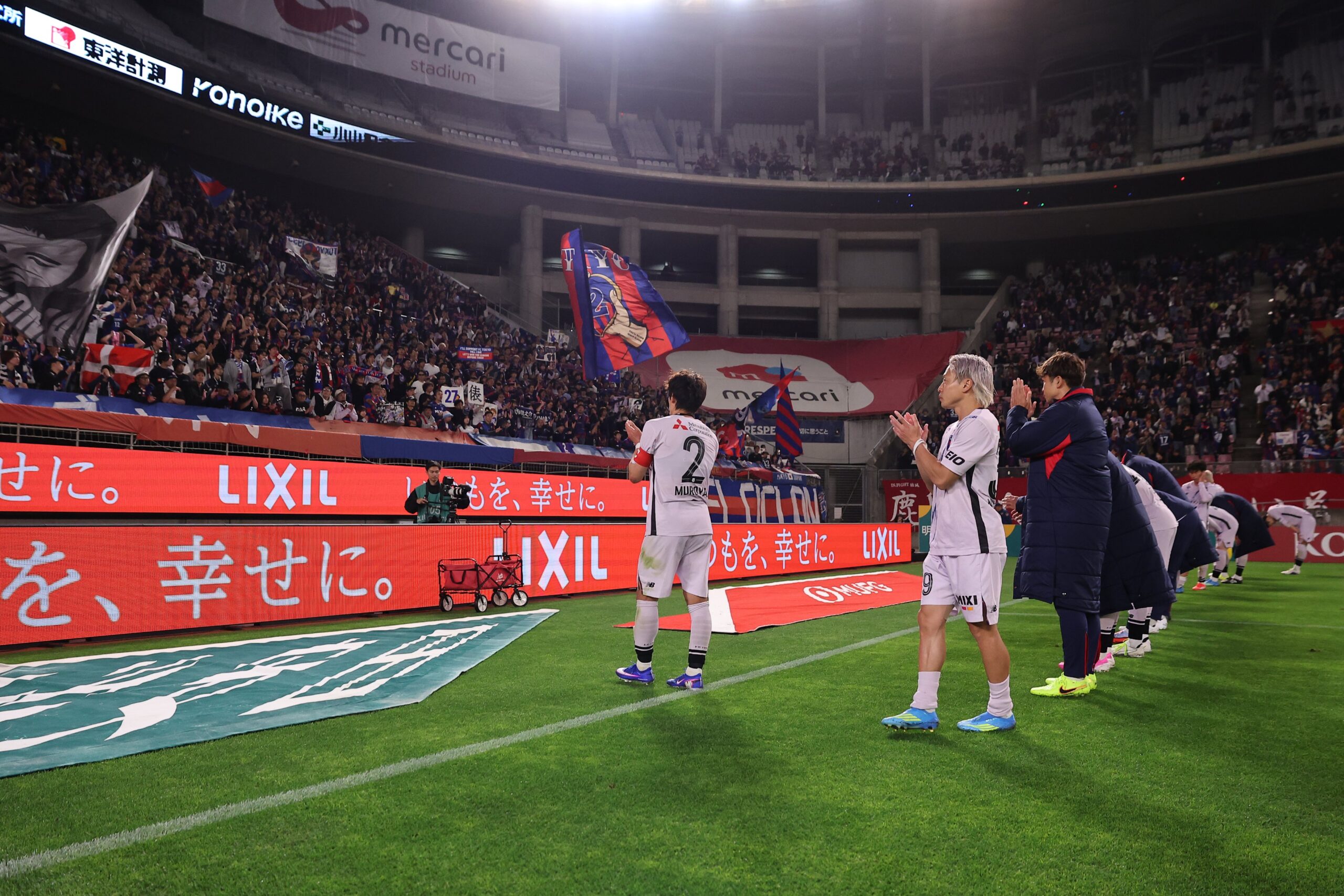
──What specific outlook do you have for the 2026/27 season?
"The first year after the season transition will be a highly motivated season for the J.League as well. FC Tokyo also wants to successfully carry on the momentum from the special tournament and sprint through it. Of course, the new season will proceed under a new president, but I would like to share a few things that I can say."
I have always believed that it is necessary to drive both football and business as two wheels. However, over the past four and a half years, it is true that while the business side was running smoothly, football was not progressing as well. I hope the new season will be one where the football wheel turns strongly, and it should be a decisive year for the club. Since the wheel has gained torque during the special tournament, I hope everyone will enjoy a season where we can push forward even further from here.
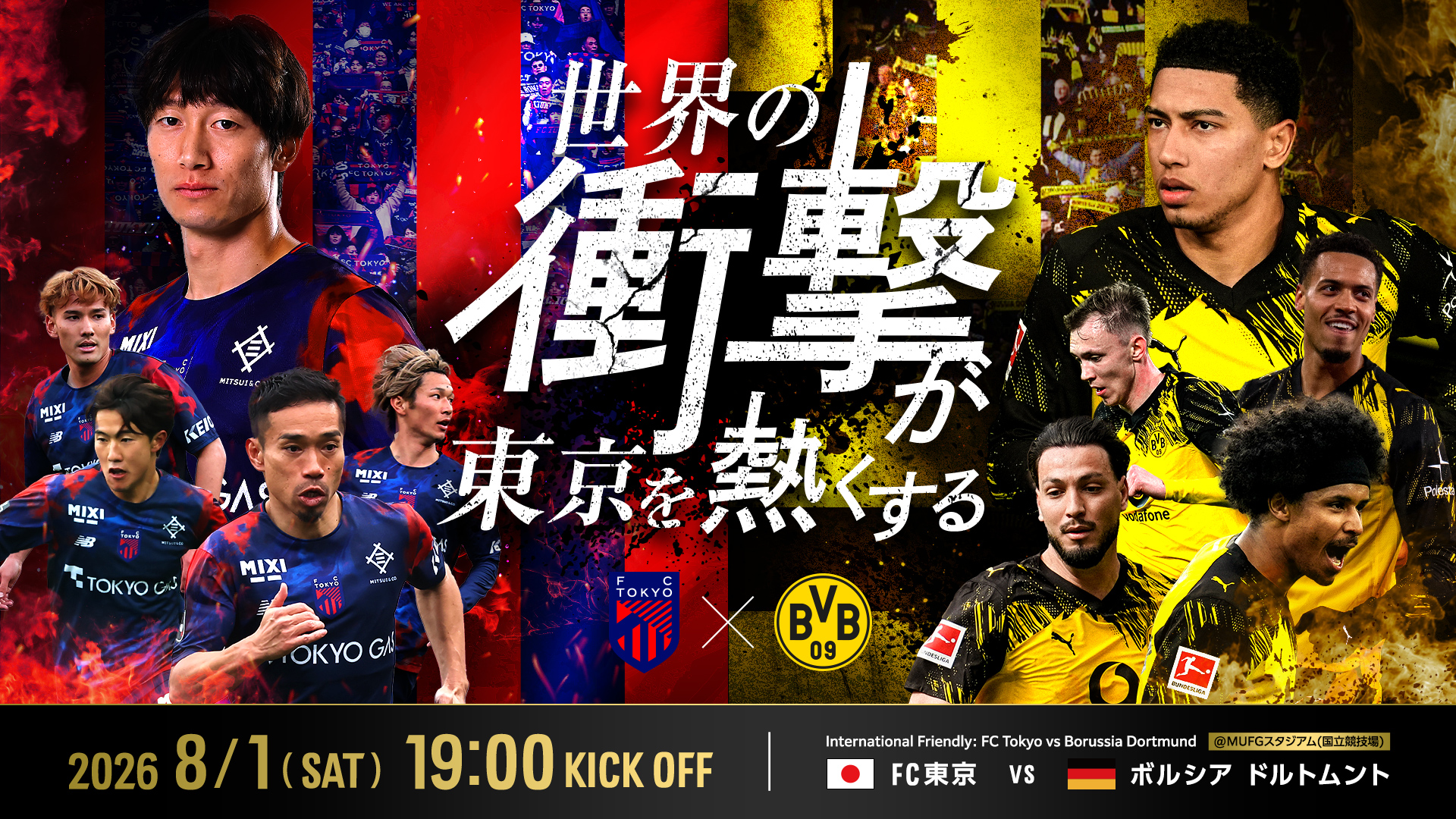
Also, before the start of the new season, there will be a preseason match against Borussia Dortmund from the Bundesliga 1 (Germany). This is a major challenge hosted by FC Tokyo. Since it is an international friendly match, there are many considerations compared to regular J.League official matches, and we are taking risks in the business plan as well, so we hope you will purchase tickets and come to watch. Through exchanges with high-level overseas clubs, we feel the professional aspects and it has become a valuable learning opportunity for the club. Of course, we want the event to be successful, but we also feel that this experience itself will be beneficial for the club.
── The 'U-21 J.League' is also starting. What kind of approach will the club take toward this?
"FC Tokyo has won the Best Development Club Award a record five times, and we feel that being the number one academy is the club's identity. The number of homegrown players is also the highest in the J.League, which is one of FC Tokyo's strengths. Regarding the challenge that young players cannot immediately get game time when promoted to the top team, we believe the 'U-21 J.League' is the missing piece. It allows us to provide growth opportunities in-house without having to send players on loan to other clubs to gain experience. This initiative is fundamental to strengthening the team, and as a club, we absolutely want to make it a success to continue consistently earning transfer fees in the future. We also want to work together with the league to promote and energize this effort."
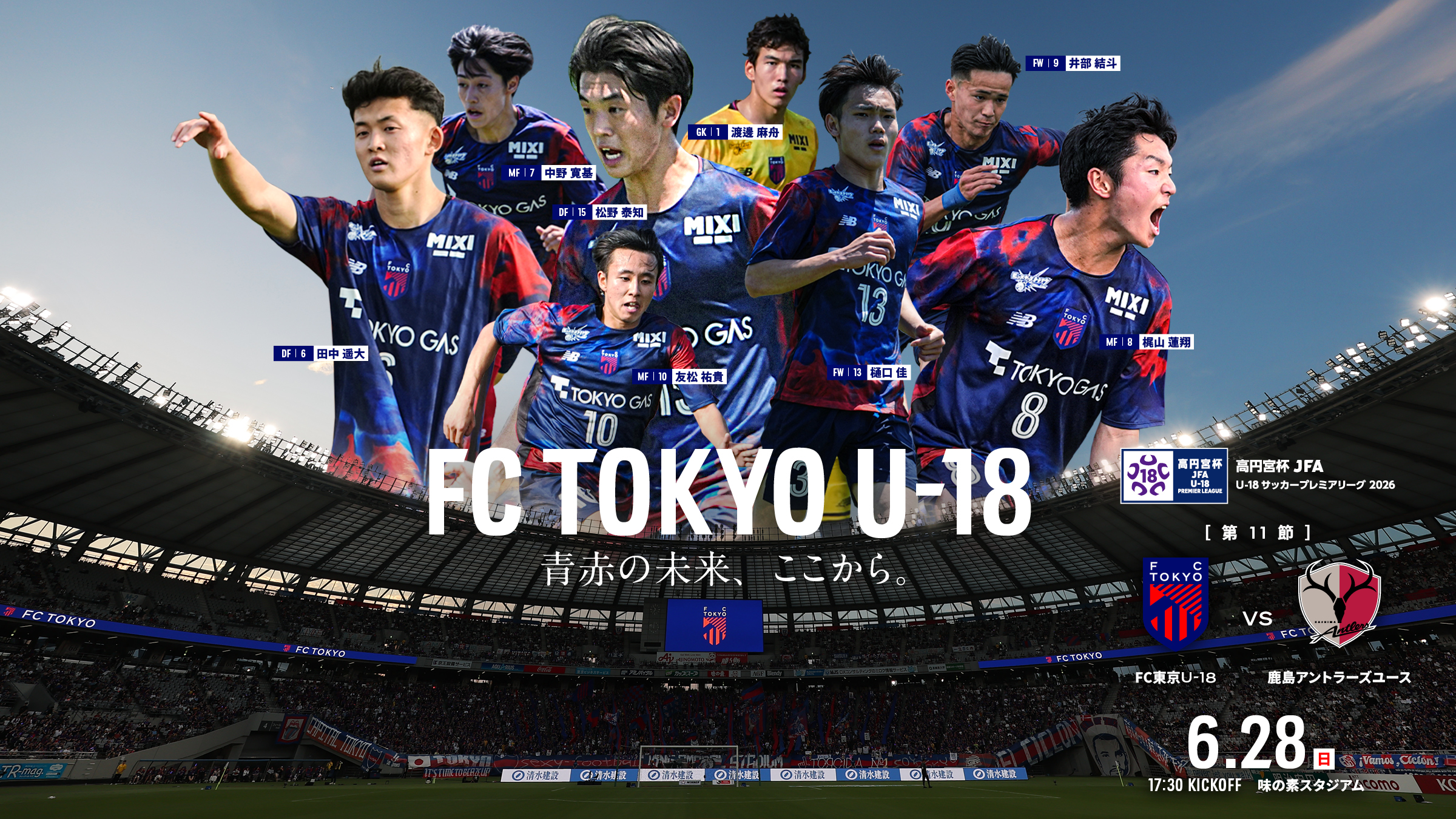
The U-21 J.League is positioned not as a practice match but as a professional league. All match footage will be streamed, and spectators will be admitted to the venues for a fee. FC Tokyo is coordinating to hold matches at multiple stadiums within Tokyo, so we believe we can deliver the dynamic performances of the blue and red warriors across various areas of the city. In terms of player organization, there will be coordination with the top team, so many players are expected to play overlapping roles. We will maintain a slightly larger squad, focusing on giving playing opportunities mainly to young players with fewer appearances, and we will form the team in a way that allows promising U-18 players to make their debut early in the U-21 J.League.”
── How is the progress on the training ground relocation announced last summer?
"We are also continuing discussions with Chofu City regarding the relocation of the training ground. If all goes well, construction will begin during this season. However, the situation in Iran is affecting construction costs, and we are also concerned about the Chofu mayoral election to be held on Sunday, July 5. This election could be pivotal for FC Tokyo's future, so we ask all blue and red supporters to aim for a 100 percent voter turnout."
◇Previous Management Reports Are Here
2025 Season Summary: Achievements and Challenges (Part 1)
2025 Season Summary: Achievements and Challenges (Part 2)
2024 Fiscal Year Financial Report and Club Status (Part 1)
2024 Fiscal Year Financial Report and Club Status (Part 2)
2024 Season Summary: Business and Football (Part 1)
2024 Season Summary: Business and Football (Part 2)
2023 Fiscal Year Financial Report and Club Status (Part 1)
2023 Fiscal Year Financial Report and Club Status (Part 2)